5.2.1. Frequency of defence reviews
From 1945 to 1990, UK governments reviewed their defence strategy roughly every 10 years7. During the 1990s, with the ending of the Cold War, there were two significant reviews of defence policy:
• Options for Change (1990-92); and
• Strategic Defence Review (1997-98).
Since the SDR of 1998, there have since been relatively limited exercises in refreshing / re-validating Defence priorities, namely:
• Strategic Defence Review: A New Chapter (July 2002);
• Delivering Security in a Changing World, Defence White Paper (December 2003);
• Future Capabilities, Response to December 2003 Defence White Paper (July 2004);
• Defence Industrial Strategy (December 2005); and
• National Security Strategy (March 2008).
It has, therefore, now been 11 years since the completion of the last comprehensive, formal review of Government Defence policy and 6 since any updates were developed. Over this period the UK Armed Forces have been involved in three major expeditionary campaigns (to the Balkans, Afghanistan, and Iraq) and the key threats to UK interests appear on the face of it to have moved from major state-to-state conflict to asymmetric warfighting (see Figure 5-1).
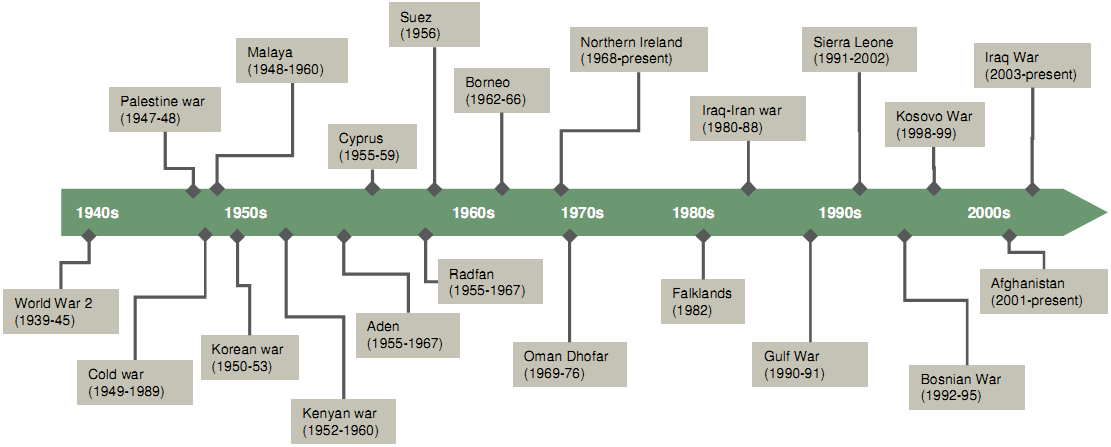
Figure 5-1: UK military engagements since World War 2
As a result, the nature of the equipment that the UK requires has been changing too: the kind of military threats that are posed by asymmetric conflicts are not the same as those posed by hostile states. In particular, whilst it may previously have been sufficient to determine spending by seeking to counter the capability of a potential enemy, it is no longer possible to construct an equipment plan on that basis.
__________________________________________________________________________________________________________________________________
7 House of Commons Defence Committee, Defence Eighth Report 1997-98.