6.10.3. Practical working of the Executive Committee
The proposed Executive Committee is responsible for delivering an affordable investment programme to the Defence Board through the portfolio management of the Equipment Plan, Figure 6-7 as shows. The IAB continues to approve individual projects and the DCDS(Capability) is responsible for the Equipment Plan.
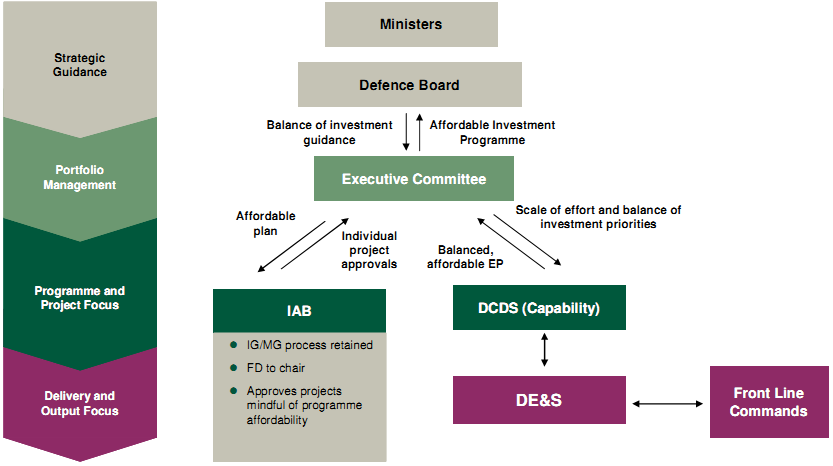
Figure 6-7: New structure for decision making
In directing the creation of the EP, the Executive Committee is expected to consult widely. In particular, members are expected to take strategic advice from the Defence Board. As a result, the military Services will still be able to influence the balance of investment within the constraints of affordability.
Indeed, the Review team would anticipate that, working at its best, the Executive Committee would end up acting as a backstop. The military Services will have plenty of visibility of the emerging programme. This will give them the opportunity to make the trade-offs between different capabilities to achieve affordability prior to the Executive Committee meetings. Additionally the Review team would expect that the CDS and VCDS would wish to make strenuous efforts to reach a military consensus prior to attending the Committee's meetings.
These recommendations are intended to force realism and discipline into the planning process on a continuous basis by imposing several important changes in responsibilities and processes. Without changes that recognise and deal head-on with single Service competition, overbidding, entry-ism and other damaging behaviours that were discussed in this chapter, the likelihood of maintaining a genuinely affordable plan is minimal.
A by-product of underlying over-commitment in the EPP is the frictional effect on planning of attempting to achieve too much within the funding available. As a result, enormous time and effort is devoted annually by the entire Department - not least DE&S and the Capability Sponsor - to the process of planning and re-planning for affordability. It could be expected that, as the programme comes back into balance, this annual planning process could be substantially less onerous and provide better clarity at an earlier stage of the financial year.
There are probably other structures or arrangements that could accomplish similar effects, but those suggested above fulfil the important following principles:
• single Service gaming or non-cooperation must be curtailed;
• there must be genuine high level responsibility and accountability for programming within the Department's means;
• costing must be realistic and conservative and externally verified; and
• the Defence Board must still retain its ultimate approving role.