Key drivers
At present there are no authoritative design guides for waste facilities that can be used by practitioners to guide the promoters, professional design teams, sponsors and regulators. The requirement for good design is clearly set out in national, regional and local policy drivers and this document will assist in the application of these principles. The key drivers are therefore:
■ responding to the climate change agenda
■ meeting sustainable design expectations
■ formulating local planning policy
■ applying design standards to waste procurement.
Waste practitioners currently draw inspiration from a wide range of disparate sources of advice on design. This document provides a central reference point that will allow professionals involved in the delivery of waste facilities to make better informed choices about the design of new developments.
As part of their forward planning responsibilities some local authorities have already recognised the need to produce their own design guides, either as stand alone documents or as supplementary planning documents forming part of the local development framework. One of the aims of this guide is to provide some consistency about basic design principles and allow local authorities to concentrate on
Document overview
Chapter 2 - Background & context ■ Where has the industry come from? ■ Where is it going? ■ Why do we need good design? |
|
Chapter 3 - The design process ■ How do we deliver good design? ■ There are no set rules, design is an iterative process, not just the end result. |
|
Chapter 4 - Stakeholders & their roles ■ Who is involved in the design process? ■ How do they engage with this agenda? |
|
Chapter 5 - Setting the design agenda ■ Where does the design process start? ■ The need for strategic vision to set expectations and benchmarks. |
|
■ How can good design be delivered? ■ What elements should be considered in the design process? ■ How can you translate theory into practice? |
|
Chapter 7 - Design realisation ■ Going from drawings to a working facility. ■ How is a proposed development delivered on the ground? |
|
■ Re-inforcing the messages |
|
Images courtesy of Enviros Consulting and Islington Council | |



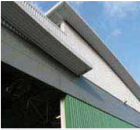
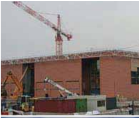

local design issues relevant to their particular areas. There is also a clear need to provide some context for considering design credentials as part of waste facility procurement and how the design aspects of tenders are evaluated.
The private sector wants consistency in design expectation and clarity in understanding how proposals will be judged by regulators and clients. This guide should help to fulfil this objective.
'Good design ensures attractive usable, durable and adaptable places and is a key element in achieving sustainable development. Good design is indivisible from good planning. Planning authorities should plan positively for the achievement of high quality and inclusive design for all development, including individual buildings, public and private spaces and wider area development schemes. Good design should contribute positively to making places better for people. Design which is inappropriate in its context, or which fails to take the opportunities available for improving the character and quality of an area and the way it functions, should not be accepted.' Planning Policy Statement 1; |