Cost
The economic bottom line will always be an important consideration from the outset of a building project. However, the capital costs do not tell the whole story and the whole
| PRINCIPLES IN PRACTICE East London Community Project
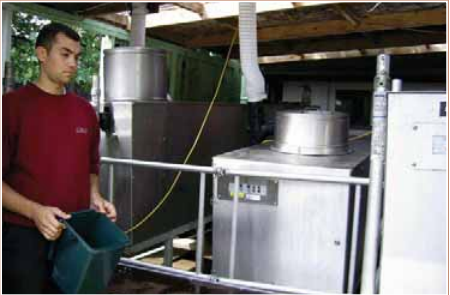
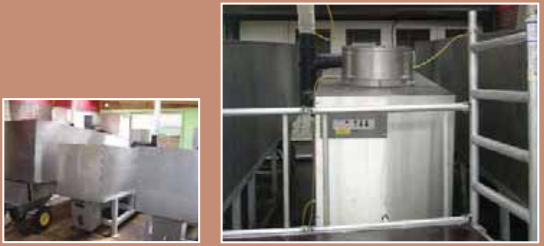
What is it? • Local based recycling initiative serving 1,000 high-density residential units collecting dry recyclables and biodegradable waste Design Features • System achieved through engagement and co-operation of local community groups • The biodegradable waste collection forms part of a closed loop system, converting it into a compost type product for use within the estate. • Use of a small scale 'Rocket' in vessel composting plant at a local level.
|
life costs must be evaluated and used in comparisons. It should also be noted that in some circumstances high-quality design linked with effective stakeholder engagement can reduce planning risk, which in turn can reduce lead-in times. This sort of consideration should be part of the debate when overall design objectives are initially considered and when procuring authorities are defining their tender specifications.
Buildings have always been designed to achieve their functional requirement, but good building design also addresses issues such as appearance, cost and durability. This agenda is now becoming increasingly broad, taking account of the principles of sustainable development in particular as well as factors such as inclusive access (e.g. for the disabled), environmental impacts and regulations. Treating such requirements as 'add-ons' to the basic facility can increase the cost and compromise the integrity of the design. However, if these factors are considered as integral to the design process, facility designers can meet several objectives economically. A range of expertise and disciplines will be required within the project team if all objectives are to be achieved effectively.
Sustainable design measures should not simply be viewed as an added capital cost. They can bring long-term savings. For example, maximising natural daylight can reduce operating costs, increase safety and improve working conditions and morale. Other factors such as thermal efficiency and minimising energy use can bring similar benefits. Some benefits cannot be measured purely in monetary terms and often community concerns and issues can be pre-empted and prevented through early investment in quality design.
| PRINCIPLES IN PRACTICE South Shropshire, Ludlow
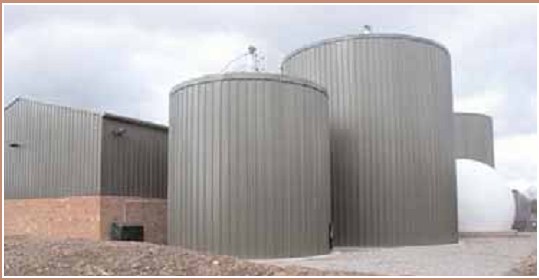
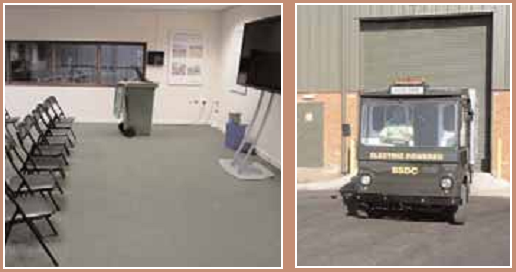
What is it? • The first full-scale waste fuelled anaerobic digester pilot plant in the UK, designed to recycle 5,000 tonnes of source-separated household biowaste per year. Design Features • Dedicated local collection system utilising a vehicle that runs on electricity produced from the plant. • Produces soil improver for use on local farms providing a closed loop system to minimise transport. • Potential to provide CHP to neighbouring eco industrial park. • Incorporates an education/conference room where aspects of the process can be viewed and presentations given.
Images courtesy of Enviros Consulting and Greenfinch |