MATERIALS
The selection of appropriate materials is critical in the delivery of an architectural concept. The choice of materials can make or break a design solution, contributing to the overall quality of a development and its general appearance.
Key questions |
■ are the materials selected appropriate for this context? ■ how do materials reflect and mesh with the local vernacular? ■ how do the materials complement the design solution? ■ do the materials selected reduce potential impacts, for example by using recycled products? ■ will the use of construction materials be minimised? ■ can the materials be reused or recycled when the building is demolished? ■ where do the materials originate from - can local materials be sourced? |
Awareness of the potential environmental impacts from the production, use and disposal of building materials has grown in recent years. This is predominantly due to factors such as the increased costs associated with landfill, the cost of raw materials, changes in legislation, greater pressure on corporate
PRINCIPLES IN PRACTICE Zug, Switzerland
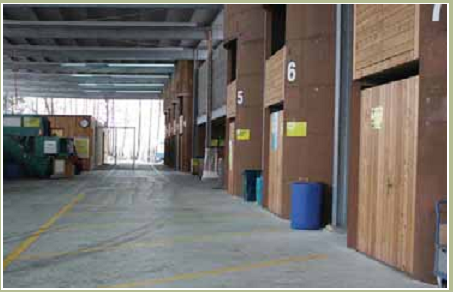
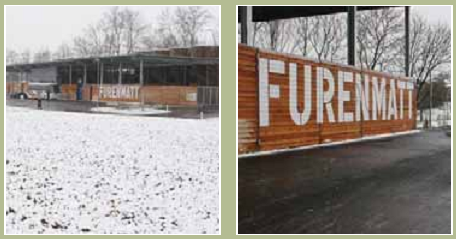
What is it? ■ Household Waste Recycling Centre. Design Features ■ Uses previously developed land and incorporates existing structures on the site. ■ Extensive use of timber in the new building. ■ The design and appearance of the building help to integrate it within a residential context.
Images courtesy of Enviros Consulting |
responsibility and an elevated profile of environmental assessment methodologies such as BREEAM and the Code for Sustainable Homes. These methodologies include the consideration of reusing materials in construction activities, which should be a core consideration in the design and construction of waste facilities.
The construction industry needs to reduce its consumption of fossil fuels and virgin materials by two-thirds to be sustainable. The construction process leads to the release of chemicals that can damage the environment and be harmful to human health.