THE CHALLENGES
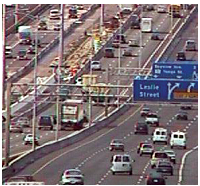
Canada's transportation system faces several significant and complex challenges arising from changes to the economy, the environment, technology, national security, and sovereignty. Canada is a highly urbanized country and transportation infrastructure in urban centres requires urgent attention. Over 80% of Canadians live in urban centres. Forty-eight per cent of the population lives in the eight largest cities (Toronto, Montreal, Vancouver, Ottawa-Gatineau, Calgary, Edmonton, Winnipeg and Quebec City) where more than 50% of all jobs in the country are located. Congestion in Canada's largest urban centres is adversely affecting the quality of people's lives, environmental standards and the flow of vital trade. Other areas also have significant infrastructure enhancement needs. Economic activity in rural areas is highly dependent on access to resources and markets through the transportation network. The country's size leaves some remote areas without sufficient infrastructure to connect their regional economies, and considerable natural resource wealth, with the rest of Canada and beyond. The financial challenge is the overarching challenge because transportation must compete with other priorities for investment, and investments in major transportation infrastructure are costly, and can take years to implement. Making the most of existing infrastructure and building for the future will require increased investments in gateways, trade corridors, the national highway system, border crossings, rail networks, marine networks, ports, airports, intermodal facilities, major urban roads, and transit. Meeting all of these challenges requires good planning and sustainable funding. |
|