WESTERN PROVINCES
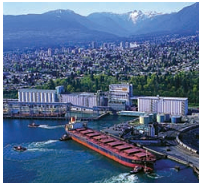
The strategic transportation development objectives in British Columbia, Alberta, Saskatchewan and Manitoba are strongly linked. These objectives, articulated more fully in the Western Provincial Transportation Ministers Council 2005 publication, "Western Canada Transportation Infrastructure Strategy for an Economic Network," both complement and support the shared vision and principles. In the West, exports are the primary engine of growth and prosperity, as is the continued growth of value-added manufacturing activities and tourism. The National Highway System in the west handles more than one-quarter of all traffic in the region. Investment is required to both preserve the existing road system and meet the growing demand for better safety, capacity and mobility. The Pacific Gateway serves western Canadian exporters and consumers by facilitating trade with Pacific Rim countries. West coast ports, airports and the supporting road and rail networks are linked to the corridors of the western provinces and the rest of Canada. Half of Canada's maritime exports and 85% of the western provinces maritime exports are currently handled by Pacific ports. The efficient development and promotion of the Pacific Gateway and associated trade corridors - including consideration of more efficient inland-based supply chain activity away from current congested points- would ensure Canada has the necessary infrastructure in place to improve competitiveness and take advantage of the growing opportunities in Asia-Pacific trade in the years ahead. An effective and efficient transportation system throughout the West is a vital component in creating value in the national economy. To enhance Canada's competitiveness, capture the opportunities, and reap the economic benefits, billions in public and private sector investment in infrastructure that serves the Gateway will be required over the next 10 years, starting now. |
|