NORTHERN
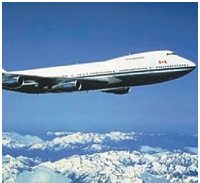
Polar and high latitude route traffic Changes in regulations and in the international political climate have resulted in the opening up of polar and high latitude air routes. International air carriers are changing their route patterns to take advantage of these routes. A polar route may reduce flight times up to 3 hours and operations cost up to $40,000 US per flight. Air carriers using the polar routes have indicated that northern airports including Yellowknife, Iqaluit and Whitehorse Airports, among others, are essential to their operations when emergencies develop and a diversion to an alternate airport is required. These diversions are very often accompanied by the dumping of large quantities of fuel to meet the operating requirements of these airports. In addition as some of these airports are not open 24 hours, liability issues could develop. This matter gains more significance every day as the Government of Canada signs new air liberalization agreements with other nations, resulting in increased polar and high latitude air traffic. Recently announced bilateral air agreements with India and the People's Republic of China are expected to result in five and three fold increases, respectively, in passenger and cargo flight operations. Many of these new flights will use polar and high latitude routes through Canadian airspace. A systems plan which would identify the required support infrastructure and services to accommodate polar and high latitude flights along with possible funding support mechanisms is now required. |
|