REGINA: WATCHING AND WAITING
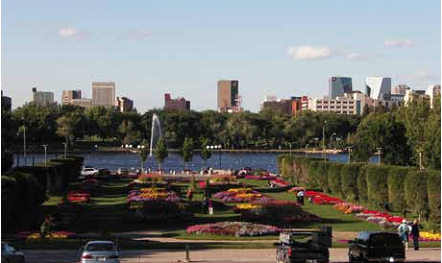
REGINA, THE CAPITAL of Saskatchewan, is just beginning its exploration of PPPs as a whole. Why now? It's a mix of watching successes in other provinces, wanting to make the most out of every dollar and - last but not least - the chance to have PPP Canada Fund foot some of the bill.
"To the extent there's opportunities to apply to the federal government for funding and you have a better chance of being successful with your application using a PPP approach … we need to learn those processes," says Brent Sjoberg, general manager of corporate services for Regina.
Similar to Calgary, Regina is now ironing out its PPP policy, which Sjoberg hopes to have approved by city council prior to engaging in his first project.
At the top of his project list is a $140 million replacement to Regina's wastewater treatment plant. Like many cities across Canada, Regina needs to upgrade its wastewater infrastructure to meet new rules passed by Environment Canada, the country's regulatory body for the environment, that improve the quality of wastewater being discharged into the country's rivers and streams.
"The bar is just being raised," Sjoberg says.
But, as Environment Canada pointed out in its rules, published in March, "the majority of the costs of the proposed regulations would be borne by municipalities, as they own and operate the vast majority of wastewater systems in Canada". That's about $6 billion of investment in today's dollars, by Environment Canada's estimate, that must now be financed by municipalities across the country.
"I guess the challenge most municipalities have had is I think the federal government underestimated the cost of their new regulatory standard," Sjoberg says.
Regina is also considering bundling together various recreational facilities into a city-wide PPP contract for delivering them. In April 2010, the city published a report, which concluded with recommendations for some 30 recreational facilities and improvements, ranging from dog parks to skateboard facilities and an indoor water park. The total was slightly less than $100 million, meaning that it could be the right size for a PPP contract. But the challenge, Sjoberg points out, is that "it's not a standard set of assets", like Ontario's PPP for 18 police stations.
The province of Saskatchewan has been dealing with similar issues. It set up a PPP Secretariat in 2009, only to fold it in 2010 because the volume of big projects needed to interest the private sector wasn't large enough to merit having an independent government body to administer it.
But, while Regina hasn't "come to any conclusion yet" on its recreation facilities PPP, he says the city will continue to explore the possibility. And with it, learn about PPPs as a whole.
"We need to be up to speed on those things," he says.
REGINA: WATCHING AND WAITING