PART II - FINDING THE MONEY
The fact of the matter is that the status-quo is not doing the job. But, while there have been many signs of late that governments across the country are starting to follow a new tack, a greater shift will be needed to address the massive needs on the infrastructure front - a shortfall that currently stands in the order of 6-10 times annual investment flows and counting. In view of the lack of resources and a multitude of priorities facing governments, it is undeniable that there will be a need to look outside the conventional fiscal box in order to achieve greater efficiencies. Certainly, public infrastructure - which is one of their most expensive and daunting challenges at the moment - needs to be at the forefront of this new wave.
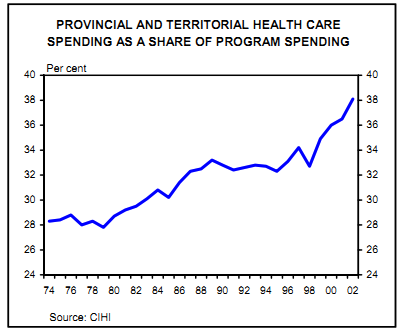
At the same time, however, it is becoming increasingly evident that sustainable solutions to the infrastructure challenge will be out of reach unless measures are first taken to bring annual increases in health-care costs closer to earth. According to the Canadian Institute of Health Information (CIHI), health-care spending increased 7 per cent per year in 2002 and 2003.20 And, early indications are that little slowdown in this rate will take place in 2004, despite most provinces recording deficits. Encouragingly, in addition to several federal and provincial finance ministers arguing that a new way of doing business in required across the public sector, the Prime Minister has indicated that both sustainability and health-care reforms will be at the top of the list of discussion at a First Ministers Meeting to be held this summer.
As just noted, any funding and financing strategies for infrastructure on the table have to be deeply rooted in the goal of enhancing efficiency, or getting the best bang for the taxpayer buck. There are also a number of other key principles that must be at the heart of any infrastructure approach.
• Accountability - is the government responsible for administering the spending also responsible for raising the revenue?
• Transparency - is it clear who is ultimately bearing the burden?
• Equity - is the revenue source fair, either by matching beneficiaries with those bearing the burden or by levying taxes based on the ability to pay?
Applying these principles, and drawing on some international experiences, we now lay out some guiding principles of how governments can find the money to upgrade Canada's aging public infrastructure.
- Further tilt towards user-pay model
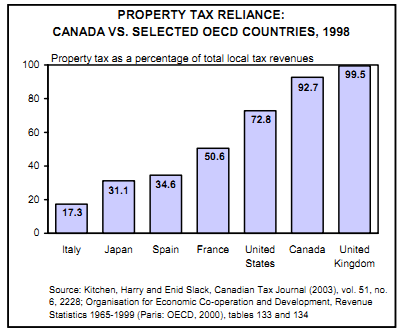
- Local governments need more control over their own destinies
- Municipalities could make better strategic use of debt
- Some U.S. debt instruments better than others
- Addressing derelict areas spurs creative U.S. solutions
- A close look at U.S. solutions reveals no magic bullet