Sharing of good practice and innovation regionally and locally
3.14 The strategic health authorities reported that in most regions, workstream leads actively gather, facilitate and roll-out good practice. The sharing of good practice at regional and local levels occurs in a number of ways. For example:
● through electronic portals such as regional QIPP websites or regional 'sharepoints' where primary care trusts can access each others plans and trackers;
● through newsletters;
● through innovation partnership where clinicians come together in groups to innovate and share information under the QIPP umbrella; and
● through regular regional and local clinical summits.
___________________________________________________________________________________________________________________
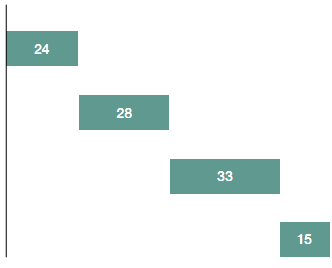
Figure 10 Long-term conditions workstream
| Description 1 Implement end of life register and care coordination centre for end of life patients, thus reducing number of hospital admissions1 2 Implement assistive technology for high-cost patients 3 Ensure enhanced care coordination for most complex long-term condition patients 4 Implement proactive and personalised care planning for other long-term condition patients | Total potential savings (%)
|
NOTE
1 Savings are achieved by reducing costs of caring for patients at end of life,
particularly by avoiding multiple acute admissions.
Source: Strategic health authority integrated plan
__________________________________________________________________________________________________________________
__________________________________________________________________________________________________________________
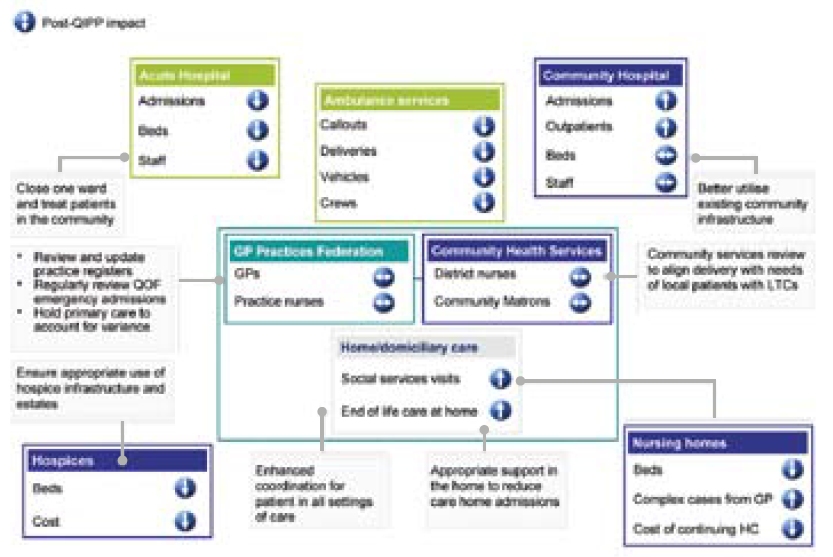
Figure 11 Illustrative impact assessment of QIPP plans for long-term conditions on
the delivery of healthcare in a primary care trust
NOTES
1 QOF: Quality and outcomes framework.
2 LTCs: Long-term conditions.
3 HC: Home care.
Source: Strategic health authority integrated plan
_________________________________________________________________________________________________________