There is no single definition of a public-private partnership (PPP)
Although only one of many contractual approaches, PPPs seem to attract a disproportionate amount of attention. As with the broader infrastructure term, there has been much discourse about the PPP approach to fund infrastructure projects, but again there is no single definition. The term PPP is used by some to describe any project or opportunity where both the public and private sectors are parties to the transaction. But this then captures many economic and social infrastructure developments, and such usage ignores the "partnership" aspect of the arrangement. Other schools of thought consider PPPs to be linked to those circumstances where the private sector is providing infrastructure or infrastructure-related services that were traditionally provided by the government-that is, projects that are more focused on social infrastructure, or that involve the transfer of risk from the government to the private sector. Further, some concessions will also be classified as PPPs. Perhaps the PPP term is better used to describe the philosophy behind the approach, capturing such elements as partnerships, risk transfer, and social service, rather than the contractual approach itself.
Figure 1: Acronyms associated with the four types of contracts
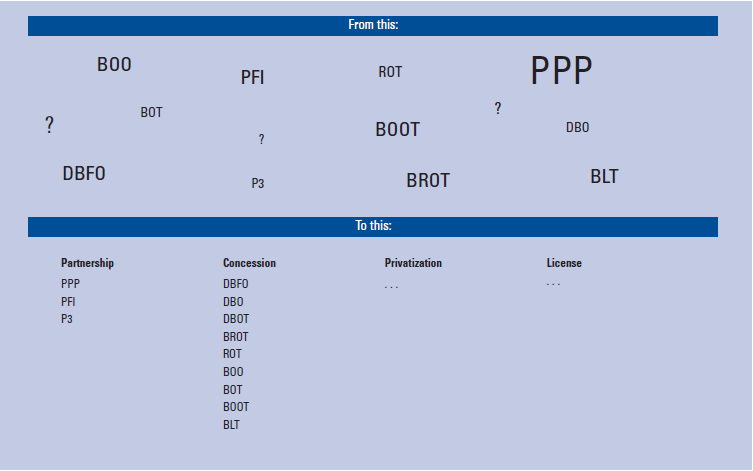
Figure 2: Rules for decoding infrastructure project acronyms
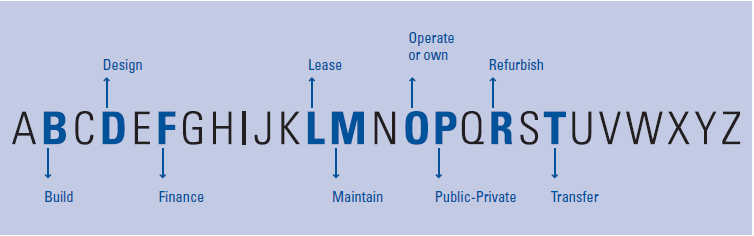
Table 1: Roles for the public and private sectors during the construction or development phase
Public sector can: | Private sector can: | Other possible options for the public sector |
Be a partner with a private-sector entity | Be a partner with a public-sector entity and design & build the infrastructure asset |
|
Let a concession | Be concessionaire to design and build the infrastructure asset Transfer the new asset back to the public sector | Sale and leaseback the asset |
Award the license | Be the licensee |
|
The public sector is unlikely to privatize without existing fully operational assets | N/A | N/A |