Annex A Integrated assurance and approval
A.1 "Integrated assurance and approval" is the planning, coordination and provision of assurance activities and approval points throughout the "policy to delivery" lifecycle, proportionate to levels of project cost and risk. The overall process Major Projects must follow is outlined in the Integrated Assurance and Approvals Flow Diagram on pg10.
A.2 Integrated Assurance and Approval Plans (IAAPs) are mandatory for all Major Projects, from 1 April 2011. An example IAAP can be found on pg. 11. IAAPs are mandatory for all new Major Projects and for all existing Major Projects (initially on a prioritised basis in discussion with the MPA and HMT). This requirement has a number of benefits:
• Planning all assurance requirements in advance means that Major Projects can ensure that they have a more timely and coordinated assurance regime (this will result in less but more effective assurance).
• Integrating assurance and approvals processes, and scheduling assurance before HMT approval points, will enable Spending Teams to make decisions that are better informed by assurance assessments, including overall delivery confidence.
• Pre-planning of assurance requirements by all Major Projects will enable the MPA to better forward plan resources to meet demand from departments.
A.3 It is mandatory for all Major Projects to submit a draft IAAP to HMT and the Major Projects Authority, following the process below:
| Step 1 | Starting Gate (for emerging initiatives and potential Major Projects) |
| Step 2 | Submit IAAP to MPA Project Specialist, who will liaise with HMT Spending Team. |
| Step 3 | MPA validates assurance plan (assurance timetable/assurance tools proposed by dept). HMT validates approval timetable and decides level of scrutiny required. |
| Step 4 | HMT and MPA jointly respond to department, agreeing IAAP or requiring changes |
A.4 The MPA and HMT Spending Teams will work together in reviewing draft IAAPs, ensuring through discussion with project teams that validated IAAPs appropriately cover both assurance and approvals requirements, and are proportionate to the nature and stage of each project.
A.5 The IAAP should include a timeline clearly demonstrating the following milestones:
• Assurance review points (including both independent assurance from the MPA and internal departmental assurance and audit reviews)
• Internal departmental approval points
• 3 distinct HMT approval points (SOC; OBC; FBC) and any further milestones required by HMT Spending Team.
A.6 IAAPs are living documents which will change/develop according to the project's lifecycle -amended IAAPs must also be submitted for re-validation by the MPA and HMT Spending Team.
A.7 Compliance with the agreed IAAP will normally be a condition of HMT approval.
Table 3.C: Integrated assurance and approvals - Lifespan of a Major Project. This is a flexible framework - assurance and approval processes for individual projects and programmes will be decided on a case by case basis.
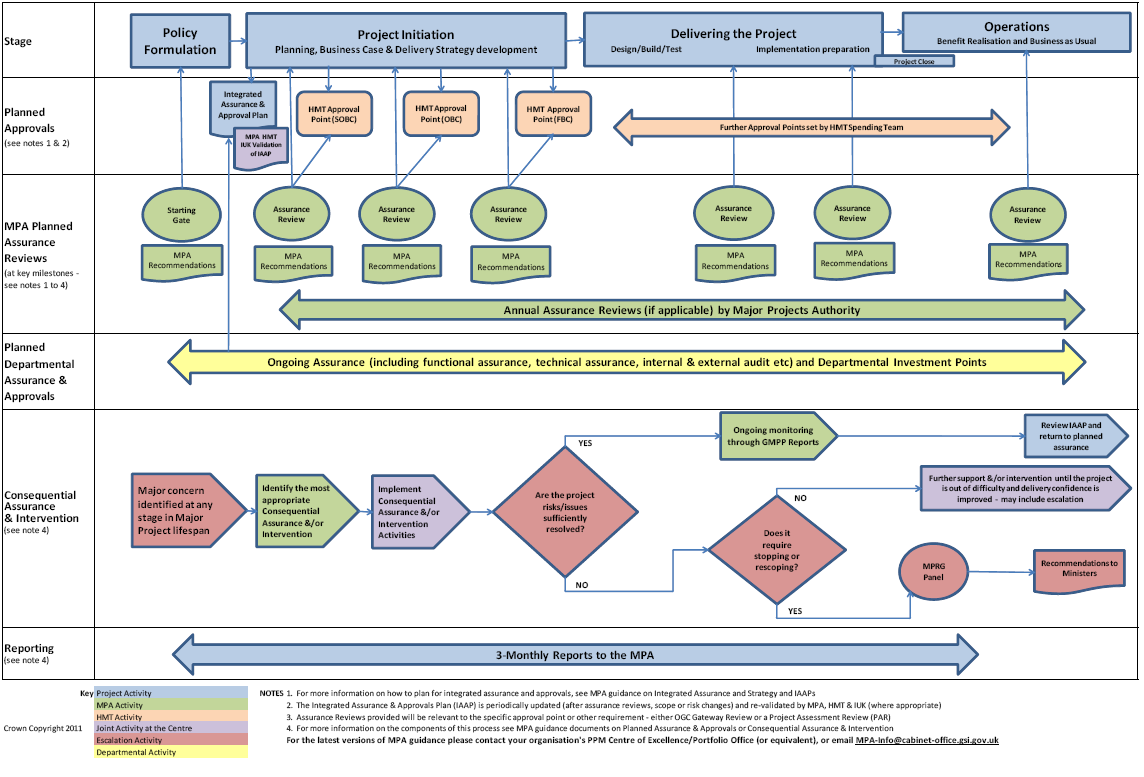
Table 3.D: Generic example template for an Integrated Assurance and Approvals Plan(IAAP) – shows the range of assurance and approvals activity to consider when building an IAAP. It is not intended that a standard IAAP template is provided as a 'one size fits all' approach would not be appropriate.
| Assurance/Approval | Primary client | Date Last review | Current FY (show expected start date) | |||||||||||
| A | M | J | J | A | S | O | N | D | J | F | M | |||
| Programme/Project* Milestones | ||||||||||||||
| Investment Board | ||||||||||||||
| Approvals | ||||||||||||||
| Other approvals e.g. ICT | ||||||||||||||
| Independent Assurance | ||||||||||||||
| Starting Gate | Senior Policy Lead | |||||||||||||
| MPA/SRO | ||||||||||||||
| OGC Gateway | MPA/SRO | |||||||||||||
| GMPP Reporting | ||||||||||||||
| Functional Assurance | ||||||||||||||
| Technical | PM/Board | |||||||||||||
| Quality | PM/Board | |||||||||||||
| Information | PM/Board/ISO | |||||||||||||
| Security | PM/Board/DSO | |||||||||||||
| Financial (Compliance audit) | PM/Board Audit Committee | |||||||||||||
| Audit | ||||||||||||||
| Internal | Audit Committee | |||||||||||||
| External | NAO/PAC | |||||||||||||