BID EVALUATION
3.12 In PFI projects, particular attention must be paid to the design performance of a facility over a contract period. Design is an iterative process of analysis, synthesis and appraisal, in which data, ideas and options can be rigorously analysed and evaluated at all stages, thereby informing and justifying the key decisions which will need to be made in a sequential pattern as the design develops.
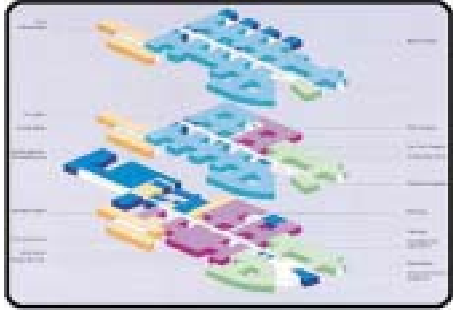
A graphic presentation of functional relationships helps members of evaluation panels understand the key design concepts in the bid
3.13 The following value for money criteria are critical in the assessment of a design
proposal for a PFI project:
• Deliverability
• Flexibility
• Life cycle cost
• Quality of Innovation
• Use and integration of appropriate technology
• Efficiency of facilities management
• Overall image and quality of environment
• Integration with other facilities; and
• Reduction in overall risk.
3.14 Procurers should be aware of the risks of changing design requirements once a preferred bidder has been selected. Changing the design requirements whenever there is an absence of competitive tension creates a risk of cost escalation in the contract price and poor value for money. Benchmarking additional costs may serve as some control in these circumstances but will not necessarily be as effective as having the design requirements priced under strong competition. There may be some details of the design which a procurer may choose to leave for discussion with their preferred bidder (eg final landscaping details, type of paving surfaces and colour scheme), but these should not be aspects which are likely to have any significant impact on the project cost.
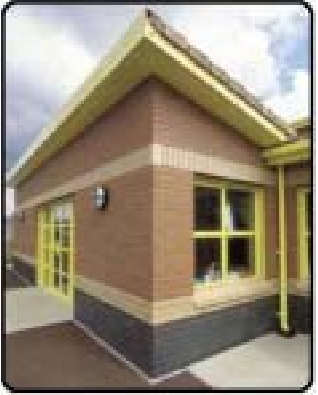
Victoria Dock Primary School, Hull
3.15 More detailed advice about bid evaluation in general is contained in Treasury Taskforce Technical Note No.4 How to Appoint and Work with a Preferred Bidder and, in particular, paragraphs 3.3.3 to 3.3.5 which contain material that is relevant to design issues.