Key findings
Key findings of the study are:
Conclusion 1: | The sixty seven projects analysed are representative of projects where government procures major Capital assets. |
Conclusion 2: | There are sufficient data samples in the study upon which to draw conclusions with confidence. |
Conclusion 3: | Over all time periods considered in this study, PPPs delivered projects for a price that is far closer to the expected cost than if the project was procured in the Traditional manner. Based on the inter-quartile percentage for the period from initial project announcement to the actual final cost, PPPs were 31.5% better than traditional projects. |
Conclusion 4: | PPP contracts had an average cost escalation of 4.3% post contract execution compared to Traditional projects that had an average cost escalation of 18.0% for the same period. PPP projects provide far greater cost certainty than Traditional contracts and there is little variation in cost of a PPP project after the contract is signed. |
Conclusion 5: | Australian Traditional projects have better cost performance than UK projects with 43.3% of Traditional Australian projects being completed within 5% of the expected cost compared with 27% of UK Traditional projects being completed within budget, refer NAO [4]. |
Conclusion 6: | Over the period from initial announcement of a project to when it is finally commissioned PPPs and Traditional projects are delivered with the same confidence in the likely overall time performance. |
Conclusion 7: | During the period prior to project execution, PPP projects are frequently delayed (average 14.8%). However, once PPP projects reach financial close there was only, on average, a further 2.6% delay to these projects. This indicates that PPP contracts are well developed prior to release to market and changes after financial close are minimal. |
Conclusion 8: | Predictions of the duration to reach commissioning are optimistic for Traditional projects with estimates of duration being on average 18.1% early at budget and 19.4% early at contract execution. An average delay of 25.9% occurs during the construction phase of Traditional contracts when compared to the actual final outcome. These delays may be due to: the initial optimism and/or required changes after contract signing to achieve Government's requirements, and/or due to uncertain contractual terms or risk allocation. |
The relative time and cost performance for PPP projects and Traditionally procured projects are indicatively represented in the summary diagrams Figures S1 and S2.
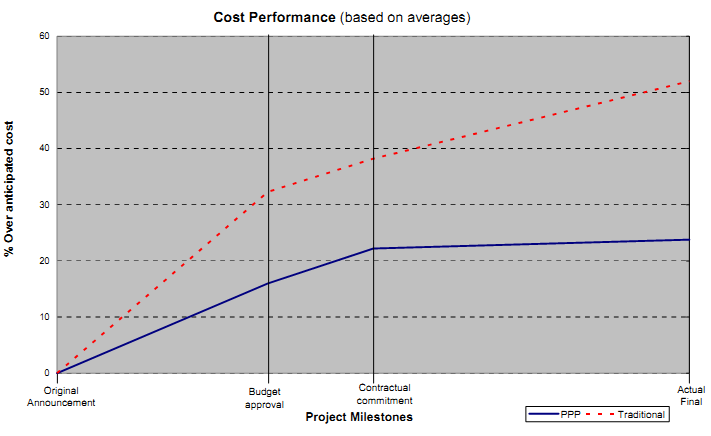
Figure S1: Cost performance over project initiation and delivery (source: Duffield 2008)
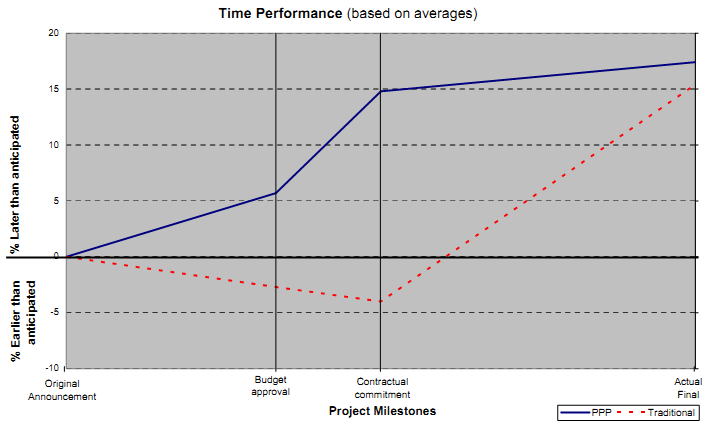
Figure s2:Time performance over project initiation and delivery (source:Duffield 2008)