3.2.5.1 Identification of the Services
The infrastructure service under consideration comprises a number of components each of which may be identified in terms of the function performed. The number of components and complexity of the interrelationship between the components vary according to the specific infrastructure services. For example, a new road project comprises relatively few functional components, (such as provision of vehicular access and emergency services) when compared with a new hospital project that requires a large number of complex functional components and services.
In identifying components of infrastructure assets and the relationship between them, the following steps should be followed:
• identify each component by its function
• identify sub-components (services) within each component
• identify the nature and extent of the integration between each of the components
• identify the integration of all the services with other parts of the system (e.g., integration of a hospital with the health system in Queensland) and other relevant agencies and organisations.
As an example, figure 4 below illustrates the required services for sentenced and remand prisoners from the point at which they are received into a prison through to their release.
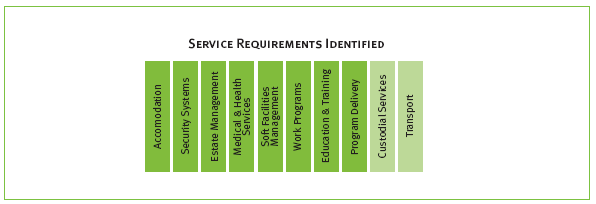
Figure 4: Prison Project Service Requirements Identified
Within each of the service categories summarised above, there are a number of service requirements (where core services are denoted by the shaded boxes). For example, accommodation services includes the provision of the infrastructure required to house prisoners, and the infrastructure to support the rehabilitation and re-socialisation activities for prisoners, an integral part of the overall case management function. Medical and health services comprise the provision of on-site primary and secondary medical and health services (e.g., staffing of an on-site infirmary and the provision of primary mental health services and drug rehabilitation programmes).