Integration of Civil Infrastructure Systems
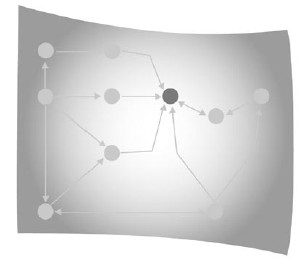
To manage infrastructure as a system of interdependent assets.
In the next decade, municipalities and other CIS owners will have the tools for an integrated system of asset management for all infrastructure systems. This will simplify the coordination of interrelated work, decrease disruptions of service and traffic, and extend the service life of CIS components. It will also lead to more efficient management, increased safety and more effective transfer of information and knowledge.
| Integration of Civil Infrastructure Systems | |
| Major Challenges | Technology Needs |
| • There is a lack of collaboration and coordination within and among utilities. • Decision-making models do not account for interrelations or interdependencies. • Critical components of networks and systems are ill-defined. • Investments are most commonly made on the basis of individual problems or components, without a full evaluation of the entire network or system. • Infrastructure asset-management systems are not widely used, particularly by small municipalities. | • Data-collection methods and data standards that facilitate integration among a wide range of CIS • Performance indicators and benchmarking tools that allow cross-systems evaluation and comparison • Tools to evaluate the critical components of CIS that need to be integrated into a holistic system • Mechanisms for shared accessibility to information on CIS • Infrastructure management systems adaptable to the complexity of the infrastructure under consideration, such as simple systems for small municipalities • Tools to evaluate the interdependencies of systems and the impacts of actions and/or interventions on one or more components of a network • Mechanisms to account for the effects of climate change, such as extreme weather events and shifts in weather and climate patterns • Decision-support systems that consider the interdependence of infrastructure assets |