Prisons
Close to 7 percent of state and federal inmates in the U.S. are in private facilities, the highest number of prisoners in private prisons in the world. Australia, on the other hand, has the highest proportion of prisoners in private prisons with 28 percent of them in contract managed facilities.62
Elsewhere, Britain now has 10 prisons run by private companies, 8 of them built under the PFI. These buildings are leased back to the prison service for a period of 25 years after being designed and constructed by commercial groups.63 The results have been generally positive: Construction times have dropped by more than 40 percent; costs by 20 percent. The cost savings are equivalent to building 20 new secondary schools or three new general hospitals.64
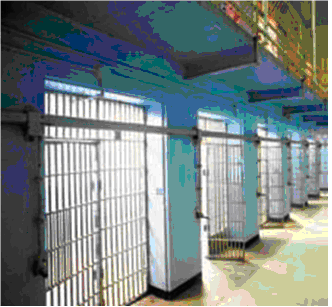
| Prison PPPs: |
| Challenges and Solutions |
| Challenges |
| Political sensitivity. Because the choice of where to site a prison can be politically contentious, prison PPPs typically require considerable reconciliatory work between diverse institutions, like government finance and justice officials, labor unions, and zoning boards. |
| Setting performance standards. Designing outcome-based performance requirements is particularly complicated for prisons due to the risk of unintended consequences. One example: tough financial penalties for escapes unintentionally might cause a climate in which prisoner maltreatment increases. |
| Solutions |
| Government officials must pay close attention during each phase of the PPP life cycle to the core public values they must protect and to how they can maintain the integrity of these values in a partnership.65 Critical are well-written performance standards that reward the private partner for providing the kind of care required. Among the items that should be specified are minimum levels of health, food, and other necessities; the number of government employee monitors who will always be on site; what they will inspect; and how frequently the inspections should occur. |