1.1. Adjust procurement programmes
The very high liquidity and "aggressiveness" of the PPP market which prevailed over the last 5-7 years, has encouraged a trend toward very large PPPs, say those with a capital cost of over €1 billion. The difficulties and risks of such an approach tend to be underestimated. Even prior to the crisis, capacity limits on funding projects of this size could act to reduce competition and limit significantly the procurer's negotiating power. In the current crisis this is amplified. Depending on currency and country, and with a universe of active banks currently limited to an estimated 8-10 potential lead banks and around 15-20 participants (source: market sounding), projects in excess of €500m are likely to be expensive or require substantial public support. This constraint should be considered when designing a global procurement programme.
PROS: There are clear benefits in designing PPP packages in ways which can be absorbed by the current private infrastructure financing market.
CONS: Redesigning a programme already under way can be problematic as public expectations may have been raised and political commitments given. Certain projects within a programme do not lend themselves well to downsizing because of strong construction or operating rationale e.g.: rail projects. Scaling down a larger project into smaller components also has time and procurement cost implications.
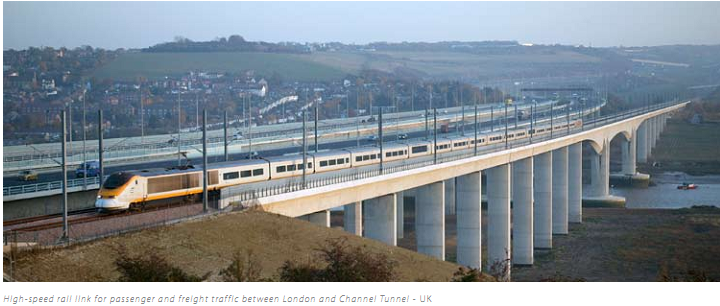
Horizontal" rather than "vertical" downsizing can be achieved, through the reduction in scope of the PPP element of projects, for example, limiting the PPP element to the "train system" in a rail project. Up-front subsidies can also be considered to reduce the private funding needs (see 2.1 below). However, both approaches may have an impact on the balance of risk transfer.