Recommendations
|
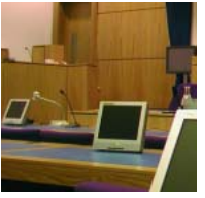
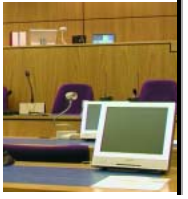
| 11 This was one of the earlier PFI deals and the new courts have only been up and running since February 2002. Nevertheless, it is apparent to us that the new Courthouse is an example of imaginative and successful design of a building that is providing a vastly superior service to its users than the nineteenth century Crumlin Road Courthouse, good no doubt in its time, that preceded it. There are, however, a number of points relevant to the forward management of the deal and the development of the PFI generally, that are worth highlighting. A) The Service should resolve the remaining problems with the building as soon as possible Problems with water ingress, the outstanding negotiations on price adjustments for changes to sight lines in the Crown Courts and the indexation of the unitary charge have been known about for some time and the Service is working to resolve them. |

|
| B) Performance monitoring should be kept under review Putting in place adequate arrangements to measure performance took a back seat to getting the courts operational. As a result the Service was exposed to the risk that it might be paying in full for what was sub-standard service delivery although there have been no significant examples of unavailability or performance issues to date. Formal contract management arrangements are now in place and the Service must make sure that it keeps a close watch on performance monitoring in the future. |
|
| C) The payment mechanism must be agreed and tested before service delivery begins To achieve a good price and keep the deal affordable, the Service agreed to limit the amounts that could be deducted for unavailability or poor performance. As the details of the payment mechanism had not been fully worked up at the time the deal was being negotiated, the Service was not in a position to consider fully the potential effect on the incentives to the private sector to provide acceptable standards throughout the 25-year term of the contract. In the circumstances, the Service should now ensure that the longer term benchmarking and market-testing provisions contained in the contract are used fully. |
|
| D) Public Sector Comparators are subject to inherent uncertainty Public Sector Comparators tell departments nothing about the benefits of alternative procurement methods and are subject to inevitable uncertainty, given the long timescales involved. Although public capital was not available to the Service to build the new courts, a nominal public sector comparator was prepared. The comparator showed that the cost of a PFI deal was marginally less than a traditional procurement. The difference, of less than 0.4 per cent, depended on whether responsibility for the Crumlin Road Courthouse, which was not needed for operational purposes, might have to remain with the Service. The uncertainty inherent in a Public Sector Comparator is illustrated in this deal by what might or might not happen to the Crumlin Road Courthouse over the next 25 years. The Service considers that the site is unlikely to be developed by the private sector without substantial subsidy from public funds.
|
|
| E) The Service should have in place an agreed negotiating strategy if the deal is refinanced The Service and its financial advisers believe that the deal was tightly negotiated and, as currently structured, the opportunities for a refinancing appear limited. However, an initial meeting has taken place between the parties and Consul may develop a proposal on refinancing for the Service's consideration. If a refinancing is proposed the Service should ensure, taking full account of guidance issued by the Office of Government Commerce, that an appropriate proportion of any gain made by Consul is returned to the taxpayer. |




|
|
|
|
|