DESIGN STATEMENT ELEMENTS - THE NON-NEGOTIABLES
As we use buildings, for the most part, to house and support human activity, the Design Statement is built around the needs of the people who the facility will directly impact upon and whole life value for money. It is then expanded to consider the elements needed to deliver on the broader responsibilities of using public money - that of addressing local and national needs - for the public purse to achieve economies of benefit3.
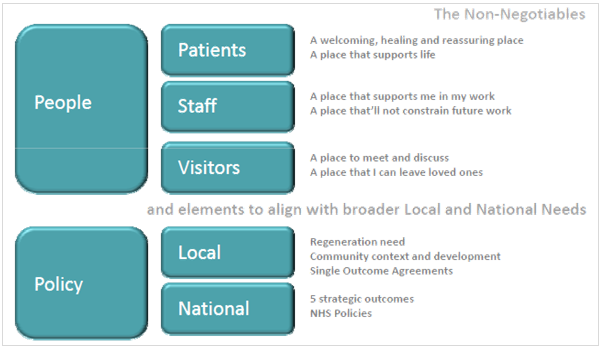
Fig 2 People and Policy Areas for the 'Non-negotiables'
These are incorporated into the Design Statement by establishing, early in the project's development, agreed statements that give the core objectives of the project: non-negotiables that all key stakeholders can sign up to that derive from and articulate the Investment Objectives. These are the fundamental aspects that define the success of the scheme - the criteria which, if you cannot achieve them, will seriously call into doubt the viability of the project.
It is anticipated that the non-negotiables will be established and agreed by the Project Board to encapsulate a broad consensus - from a range of points of view, from strategic planners to those with a more intimate and ongoing relationship with the proposed facility - rather than be written by one person. Appendix D suggests a series of questions that might be helpful in debating the non-negotiables with key stakeholders. Once established, these non-negotiables encapsulate an agreed direction and as such can help resist incremental change in the brief due to external pressures or subjective opinions.
________________________________________________________________________
3 Economies of benefit is about getting the most benefit from the money that has to be spent. i.e. if a health and social work centre is to cost £9m, then how can we spend that £9m of public money to do more than build good consulting rooms and a nice waiting space by also to contributing to local regeneration and sustainable economic growth.