Does a Potential Project Exist?
Need, legislation and political will are important prerequisites but in and of themselves they cannot ensure whether one or more potential projects exist. To identify potential projects, the Contractor/Developer must clearly understand local priorities for which some degree of consensus exists. These priorities are typically embodied in the regional or local transportation plan, local economic development plan, or other similar documents. This array of projects is then filtered through an outreach process to stakeholders, initiating one of the most important aspects of a successful PPP process, namely strong stakeholder support. Strong stakeholder support can help sustain the political will that the public sector will be required to exhibit throughout the entire development period. Figure 2 illustrates this process for U.S. highway projects, but similar flows could be defined for other forms of infrastructure.
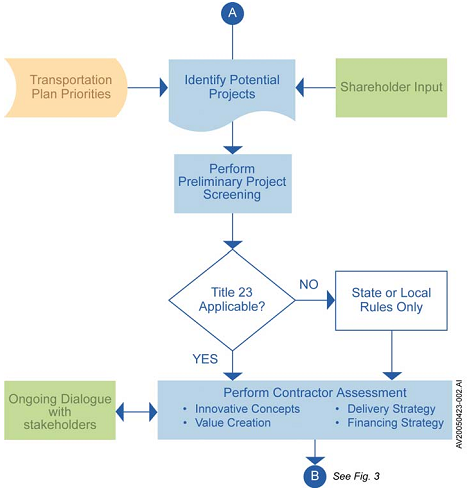
Figure 2. Does A Potential Project Exist?
Potential projects must then be screened for technical and economic feasibility, public support and any open regulatory issues. Additionally, the Contractor/Developer must determine the applicability of Title 23 or the requirements that govern federally aided highways. Title 23 provides both tools as well as limitations as it relates to PPPs, and these must be clearly understood in project selection and design. Key areas of Title 23 as it relates to PPPs include:
• Financing Related Provisions
• Tolling of Interstates
• HOV Facilities
• Design Build legislation
• State Environmental Responsibility
• Transit Provisions
Understanding the set of tools and constraints available under either Title 23 or the applicable state or local rule, together with the political and stakeholder input obtained at these early stages, provides the starting point for actual project design. Innovative approaches can help meet stakeholder needs, garner political support, reduce costs and enhance revenue potential. Project design will be structured to minimize the total process time and increase the availability of financing options at attractive rates. This is the innovation stage where many options will be looked at and many discarded, but a few attractive ones (that may be viewed as variations on a theme) will be carried forward. These variations will reflect the flexibility in project design required at this early stage. Financing options will remain flexible (e.g., tax exempt, concession), staging will still be evolving, and value engineering of the design and construction process still lies ahead.