Risk of Bankruptcy or Default
| Some stakeholders express concern about how default by a private partner could affect the public sector, especially for long-term lease agreements. Recent examples of PPP bankruptcies in the United States include the Las Vegas Monorail, South Carolina's Southern Connector and California's South Bay Expressway (see Appendix G). Of special concern are agreements in which the public sector is at particular financial risk in case of bank-ruptcy-for example, if it has guaranteed the private partner's loans65 or is otherwise owed money at the time of default.66 These issues generally are addressed through PPP contract provisions that transfer financial risk and define what happens to the asset should the private entity be unable to pay its debts or declare bankruptcy. In some cases, the facility reverts to the state, which can either take it over or re-lease it with another private operator. This may create additional, unexpected costs for the public sector, however. In other situations-such as the Chicago Skyway-the lenders first have an opportunity to remedy the default and either operate the facility or appoint a successor to do so.67 If a private concessionaire should need to sell, get out of, or modify a contract during the lease term, final approval generally rests with the state.68 |
|
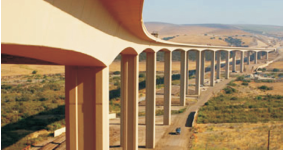
| South Bay Expressway, California (DBFO). This 9.3-mile, privately funded toll road was the first PPP to use TIFIA financing (see Glossary). The private franchise-South Bay Expressway, LP-filed for bankruptcy in 2010. (Photo: FHWA) | |