Portugal
Portugal uses direct real tolls and shadow tolls to provide the revenues necessary to support PPP projects. EP evaluates the economics of the proposed PPP project and recommends a tolling or funding strategy to the Portuguese government, which makes the final decision on toll structure.
In situations where traffic volumes are projected to exceed 15,000 vehicles per day, EP will generally recommend real tolls and may permit the concessionaire to employ congestion pricing schemes. If traffic volumes are projected to be below 10,000 vehicles per day, EP will usually recommend shadow tolls. In addition, the government may substitute shadow tolls for real tolls on urban commuter routes. Of the 2,500 km (1,553 mi) under PPP contracts, 1,400 km (870 mi) or 55 percent is real toll, 900 km (559 mi) or 37 percent is shadow toll, and 200 km (124 mi) or 8 percent is no toll. Toll-free PPPs result, for example, when a private partner builds a connector road that is not tolled as part of an overall highway concession agreement. Figure 8 (see next page) illustrates the past and projected mix of real and shadow tollways in Portugal's National Motorway System.
Where expected traffic volumes are modest, EP has recommended a dual approach in which real tolls are combined with shadow tolls with two components, a service payment linked to traffic volume and an avail- ability payment linked to the level of service provided. In these cases, the initial basis for the real toll is common for all projects and has a contractual cap, while the shadow toll amount is bid variable. As traffic on these roads increases, the real toll revenues rise while the rate of shadow toll contributions by the government falls. Further, EP is considering removing shadow tolls from highways where the real tolls have become sufficient to meet project financial requirements.
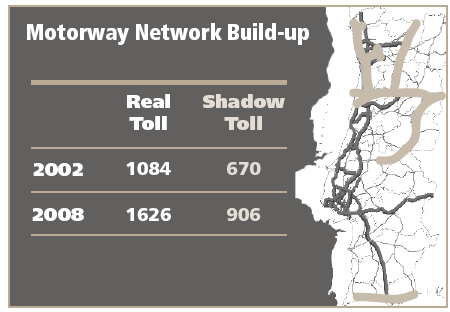
Figure 8. Portugal’s National Motorway System with
mix of real toll and shadow toll segments