SUMMARY
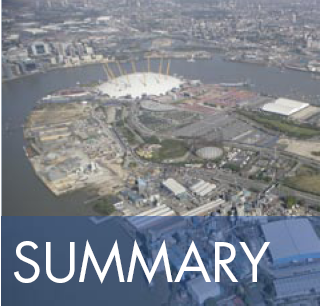
1 This report is a follow-up to the NAO's 2005 report on the Regeneration of the Millennium Dome and Associated Land.1 The 2005 report examined the process for selling the Millennium Dome and associated land and the resulting deal. The sale was conducted under difficult circumstances following an unsuccessful competition to find a buyer solely for the Dome. We concluded that the resulting deal offered an integrated solution for the regeneration of the Greenwich Peninsula and offered the Government a sensible exit strategy from the Dome.
2 The Department for Communities and Local Government (the Department) has strategic responsibility for delivery of the Greenwich Peninsula regeneration and English Partnerships (EP), the Department's national regeneration agency, manages the delivery. The Greenwich Peninsula lies within the Thames Gateway region, which is also undergoing an ambitious regeneration and development programme. The NAO reported on the management of this programme in 20072 and made a series of recommendations to help the programme deliver its goals more effectively. Developments on the Peninsula contribute to Thames Gateway housing targets so EP collaborates with the Thames Gateway Executive where appropriate.
3 Under the Greenwich Peninsula project, EP manages a series of contracts agreed with its consortium partners, undertakes a broader role in fulfilling the original sale objectives, and manages wider relationships with other stakeholders. The objectives of the Greenwich Peninsula project are to: i) maximise the long-term receipts to the taxpayer from the development of land; ii) ensure that the development of the Peninsula proceeds without undue delay and along lines acceptable to EP in terms of achieving sustainable communities; and iii) ensure the development of the Dome as quickly as possible, securing its sustainable future.
4 It is four years since the project commenced and the regenerated Dome, now called The O2, has been open for a year. The development is still at an early stage, however, and faces inherent risks and challenges which mean it is only possible to come to firm conclusions about early progress compared to the initial plans, rather than on the longer term outcomes. EP has to manage the risks over the lifetime of the project to ensure obligations are met and to achieve maximum benefit for the taxpayer. This report, therefore, looks at the evolving risks and how well they are being managed.
5 Our main conclusions are:
__________________________________________________________________________________________
1 The Regeneration of the Millennium Dome and Associated Land, HC 178 Session 2004-05, 12 January 2005.
2 The Thames Gateway: Laying the Foundations, HC 526 Session 2006-07, 23 May 2007.