In getting the best available PFI deal the Trust applied common sense and learnt from experience
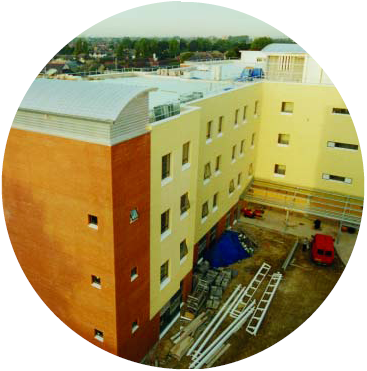
6 In developing this PFI deal the Trust learnt lessons from the early hospital PFI procurements which included its own experience in developing, but not completing, an earlier version of this project. It ran an effective procurement placing particular emphasis on strong senior management involvement, input from clinicians and other stakeholders, and experienced advisers. It was also able to make use of new guidance including a new standard NHS PFI contract.
7 The Trust ran an effective bidding competition. This included a faster bidding process which eliminated an extra round of bidding, reducing the time and costs of both the Trust and the bidders. It selected Bywest as preferred bidder. Bywest's bid offered a slightly lower price than the other bidders, and the Trust judged that the bid offered the best value for money with particular strengths in design, proposed timetable and personnel issues.
8 It took the Trust a year to close the deal (against its expectation of eight months) due to contractual and design issues, including a late proposal for the use of one of the site buildings. The Trust controlled deal drift up to financial close. Bywest's annual price increased by just under 10 per cent, mainly due to inflation and the decision to use land sale proceeds to fund other work. The Trust asked Bywest to confirm in writing at selection of preferred bidder that, assuming the specification remained unchanged, it would hold its proposed price. The Department believes that this innovation had some impact on limiting price increases during the closing stages3.
___________________________________________________________________________
3 The Department of Health and the National Health Service Executive merged in spring 2001. Both are therefore referred throughout the report as 'the Department'.