3.5.3 The Alliance
The alliance is set up to deliver the capital assets component of the approved business case. The alliance broadly consists of:
• Owner Representatives (ORs)
• Non-Owner Participants (NOPs).
The alliance, including the ORs, must deliver the project within the parameters of the business case for the capital asset. Any departures to the business case must be approved by the Owner and if there are significant changes outside agreed governance thresholds, by the government. The OR's are generally employees of the Owner who have been transferred to the alliance and only have responsibility for the delivery aspects of the capital asset.
A clear distinction needs to be made between the Owner and the ORs. The two are not inter-changeable. The Owner (which can be a Minister, the departmental head, the agency's Board etc) may delegate certain limited responsibilities to nominated ORs, however, it cannot delegate its accountability to the state for the delivery of all aspects of the business case's investment outcomes, which includes both the capital project component and the (normally) longer term delivery of the service benefits to the community.
The alliance team (i.e. the ORs and the NOPs) is appointed to deliver the capital project component of the business case. Whilst it is the role of the alliance team to plan, design and construct the project, it must do so within the parameters set by the business case approvals and it has no authority to change the business case. If any change is considered necessary, it must be approved by the Owner; and if there are significant changes outside agreed governance thresholds, by the government. (Normally government processes operate on the basis that the original approver of the business case needs to approve any material changes to that business case.)
The following diagram illustrates the relationships of the key parties in an alliance:
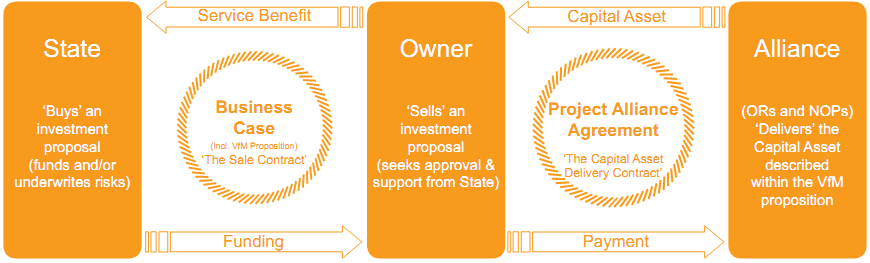
Figure 3.1: Accountability and responsibility of the VfM proposition
It is important to recall here that the state's interest is driven by the service benefit to community. The business case documents the analysis of the investment proposal and it identifies and dimensions the estimated costs/risks (capital and non-capital) and the estimated service benefits of the investment proposal.