Use of the Output-Based Specification
10. While the OBS is the statement of the Authority's requirement, it's role and function during the acquisition process varies, and is supplemented by other project and contract documents as illustrated in Figure 1 below.
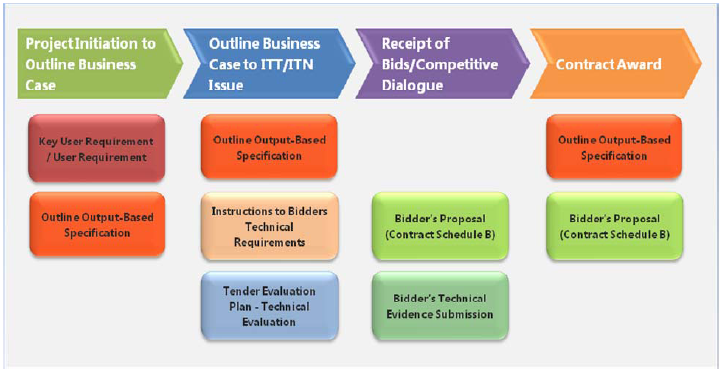
Figure 1 - Illustration of the use of the OBS throughout the acquisition process
11. In the early stages of the acquisition the principal purpose of the OBS is to:
• translate the Statement of User Need at the system/capability level into a contractual statement of the Authority's requirement for the contract;
• form the basis for the development of the contractual terms and conditions, in particular the PPM;
• inform potential bidders as to the scope, boundaries and constraints of the contract;
12. During the tendering stages the OBS is, in essence, a top-level design-brief against which bidders will develop their proposals. The Authority will also have to provide instructions to bidders on the preparation, scope and content of their proposals, as well as the evaluation criteria the Authority will use to assess the bids.
13. During the Authority's evaluation of bids, the OBS becomes the benchmark to evaluate bidders' solutions.
14. Once the contract is awarded the OBS then becomes the Contractor's principal obligation (normally at Schedule A of the Contract), supplemented by the incorporation of the winning bidder's proposal (now the Contractor's Proposal, normally at Schedule B of the Contract) as a clear and unequivacal statement as to how they will meet the requirement.