Infrastructure policy programme
Led by the social and the urban water sectors, the past year has seen significant progress made against some very large policy work programmes. Many of the challenges identified in the Plan remain but it pleasing to see the progress that has been made.
With the social sector including over $108bn of assets, including schools and hospitals, there has been a sustained Capital Asset Management programme that is starting to deliver considerable benefits. These include a growing evidence base of how effectively capital is being used, a more robust multi-year allocation process involving the Better Business Case model, the consideration of further potential PPP projects following the first two pathfinder projects - the Hobsonville Schools and the Wiri Prison, new procurement rules and guidelines, and an emerging discussion around the assets we own and why. While there is still a long way to go, the progress made to date is really encouraging. Investment analysis and accountability and performance will continue to be a focus.
In the urban water sector, a number of projects have been launched that are aimed at improving the information base and enabling data to be aggregated and compared across local authorities. The increased level of analysis able to be done from the 2012-22 long-term plans shows some early benefits of these changes but highlight the importance of delivering the new projects. Of particular note is the ownership of the challenges demonstrated by the sector, exemplified by the work of Local Government New Zealand and their recently started 3 Waters project. A number of reports have been completed, including those by the Productivity Commission and the Infrastructure Efficiency Expert Advisory Group, undertaking valuable analysis and contributing to the discussion. Delivering the expanded evidence base, strengthening governance (decision-making) and reducing regulatory overlaps and compliance costs are key challenges to continue focussing on. Coordination across both water sectors remains a challenge.
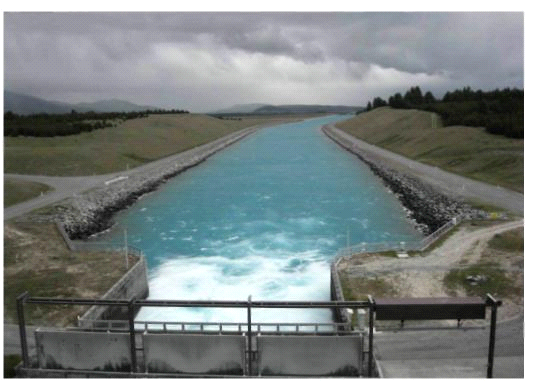
With the continued progress of the freshwater reform programme and the next set of Resource Management Act reforms, a good base and direction has been set for productive water. Delivering these reforms and the following stages on allocation issues, including permit duration, transfer and trade are important for the Plan outcomes. Further investment is being encouraged through the Irrigation Acceleration Fund with over $18m allocated to date. Crown Irrigation Investments Ltd (CIIC) has been established, following the Government's plan to invest up to $400 million in irrigation schemes. Robust investment analysis by CIIC will be critical.
With the scale of spending and the significance of the projects, the transport sector has been highly visible over the past few years and this is likely to continue. The passage of the Land Transport Management Act in June has helped streamline the planning and funding framework. The 3 + 3 + 3 increases to fuel excise duties and road user charges helps to align what users pay with the true cost of providing the infrastructure. The commitment to fund the major Auckland transport projects poses some key challenges, both in terms of maximising the benefits of the projects to the overall Auckland transport network, and the timing and funding of the projects amidst a wider transport budget under pressure. The Upper North Island Freight Group continues to seek ways to better coordinate freight traffic to and from our major ports.

The Ultra-fast Broadband and Rural Broadband Initiatives continue in the telecommunications sector and preparations are well underway for the auction of the 700MHz spectrum. Discussion documents have been released on the reviews of the Telecommunications Act and the Telecommunications Services Obligations - it will be critical that these reviews strike the right balance between competition and the certainty to invest, and provide fexibility for technology progression.
The energy sector is facing some interesting dynamics with the flat outlook for electricity demand, increased certainty over gas supply as evidenced by the Methanex expansion, and progress being made on delivering a sufficient and a secure supply into Auckland. A review of oil security has been completed and a similar review is starting for gas. The regulatory environment is settling down for electricity with the default price path for electricity lines businesses in the process of being confirmed. A watching brief will be maintained on this sector and opportunities for improved utilisation of energy infrastructure.
| Following extensive discussion with stakeholders, analysis of the latest international infrastructure plans, and discussions with Ministers and the National Infrastructure Advisory Board, the NIU has identified five key expectations that the next iteration of the Plan, due in 2015, needs to deliver on: » Reinforce the current strategic direction (the vision and outcomes) » Mature the debate around future needs and responses » Be a collective infrastructure plan by NZ Inc across the private sector, central and local government » Have increased specificity about the action plan and future investment programme required to achieve the strategic direction » Be underpinned by a more robust evidence base of future need and current performance The two facets of the work programme are focussed on meeting these expectations, recognising a key purpose of the Plan is to improve investment certainty for businesses by increasing confidence in current and future infrastructure provision. |
Auckland, driven by the projected growth outlook and the scale of investment planned, continues to be a particular focus. Good progress has been made on developing the proposed Auckland Unitary Plan (AUP), currently being consulted on. The AUP sets out how Auckland will be designed and developed for the future. It is fundamental that the AUP enables the effective coordination of land-use and infrastructure planning, facilitating the efficient allocation of land and infrastructure. While commending the Auckland Council on the work to date, we see that the AUP still requires a lot of work to deliver the optimal outcomes and integrate with the transport plan. A major announcement was the Government's commitment to the next generation of transport projects, although funding and timing details are still to be worked through. The Auckland Council's Consensus Building group has provided a good basis for further discussion on alternative sources of funding.
In Christchurch, the rebuild of the horizontal infrastructure is proceeding at pace and as the rebuild of the vertical infrastructure kicks of, coordination will be critical. There is not sufficient capacity in the national construction sector to handle all the projected activity unless it is sensibly sequenced. Market feedback is saying that to date, this is an area needing improvement. Work is underway across CERA, MBIE and Treasury on addressing this.