WORKING WITH STATE AND TERRITORY GOVERNMENTS
There are three levels of government in Australia with defined law-making powers: federal, state and territory, and local. All three levels work together to deliver public infrastructure.
The federal government is the main revenue raising government in Australia. State and territory governments, as the land holder, have much of the responsibility for planning and building public infrastructure. As such, most major infrastructure projects are developed in partnership and jointly funded by federal and state governments.
Australia has three levels of government with defined law-making powers:
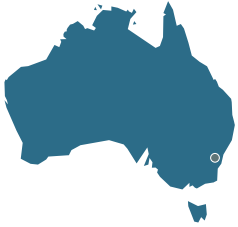
› The federal or national Parliament, in Canberra, Australian Capital Territory (ACT) |
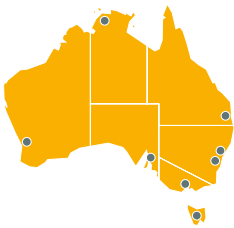
› Six state parliaments and two self-governing territory parliaments - Northern Territory and ACT |
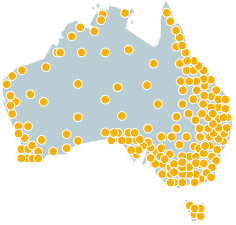
› Over 560 local councils (also called shires or municipalities). |

Webb Bridge, Melbourne, Victoria.