Policy Development
PPP Act: One of the key activities during 2015-16 in relation to policy activity has been in the enactment of the Bangladesh Public Private Partnership Act 2015. The enactment of this law brought was the result of an extensive period of development work, preparatory activities, consultations and reviews. The PPP Authority with the support of the Asian Development Bank initiated the process for drafting the PPP law in late 2011. The draft law was developed taking into account PPP laws and regulations enacted in other PPP practicing countries as well as feedback from a series of stakeholder consultations with representatives from the public and private sector and multilateral partners. The final draft of the PPP bill was approved by the Cabinet in November 2014 and tabled in Parliament in February 2015. The Standing Committee scrutinized the bill and submitted its final report and recommendations to the Parliament on 2 September 2015. The PPP bill was passed in the National Parliament on 7 September 2015. His Excellency Mr Mohammad Abdul Hamid, President of the People's Republic of Bangladesh, signed the PPP bill 2015 on 16 September 2015 to provide his assent to turn the bill into law. |
Bangladesh PPP Act September 2015 |
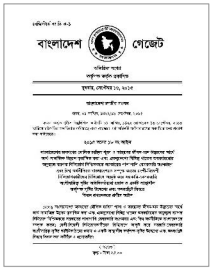
The PPP Act has been enacted with the objective of facilitating the development of core sector public infrastructure and services vital for the people of Bangladesh. The law prioritizes increased investment in infrastructure which is essential for sustainable economic growth. It further provides a robust legal framework to attract the interest of national and international private sector investors to join in partnership with the government in building and upgrading core infrastructure assets.
Procurement Guidelines: Following the enactment of the PPP Act, the PPP Authority started the process for the development and updating of the guidelines for PPP projects consistent with the new legislative framework ("Procurement Guideline for PPP Projects, 2016"). The guidelines were structured to provide clarity on how PPP projects were to be developed across the four keys phases of Identification, Development, Bidding and Approval and Award. They set out the processes, timescales, institutional roles and responsibilities for delivering each of the phases required for the selection of a Private Partner.
|
Procurement Guidelines for PPP May 2016 |
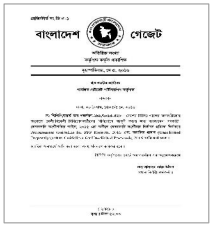
The guidelines were approved by the PPP Authority's Board of Governors on 3 March 2016 and it was gazetted and came into effect on 3 May 2016.
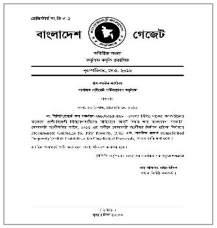
Unsolicited Proposal Guidelines: The PPP Authority has issued procedures for unsolicited proposals after taking due approvals from the approving authority. Following the enactment of the PPP Act there was a need to issue new guidelines for unsolicited proposal in line with the new legislative framework. The Guidelines for Unsolicited Proposals was tabled for approval by the PPP Authority's Board of Governors on 3 March 2016 and was gazetted and came into effect on 3 May 2016. |
Guidelines for Unsolicited |
Administrative and Funding: The 1st Board of Governors of the PPP Authority reviewed the existing provisions for human resources and the supporting facilities and for transportation and office equipment. On the basis of the review the provisions for human resources, transportation and office equipment was updated. As part of the process for operationlising the PPP Authority under the new legal framework the fund operating procedures for the PPP Authority were also approved by the Board of Governors on 3 March 2016.
New policies: As part of the continuous development and innovation process designed to enhance effective implementation of the PPP programme, the PPP Authority has been working on the development of a number of new policy provisions.
These include the development of the Government to Government (G2G) Partnership Policy, which considers the development of a process to deliver major PPP projects on the basis of G2G arrangement but where the structure of delivery is on PPP modality. The PPP Act also contains provision for the development of rules for the development of PPP Projects which are National Priority Projects and these Rules are currently being developed.