7.6 The Integrated Management Model
As implied above, the intended purpose of the IMM is to establish relationships and treatment actions for / between partnership, risk and performance management to improve operational VfM outcomes for the public partner. These key concepts are outlined below and presented in Fig. 7.1 as the PPP operational phase 'Value-for-Money Triangle'.
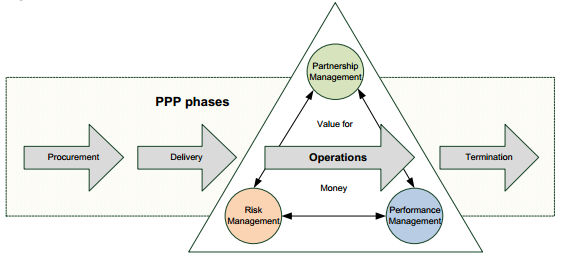
Fig. 7.1 The PPP Operational Phase 'Value-for-Money Triangle'.
The IMM focuses upon the 'Value-for-Money Triangle' in the operational phase of PPP. Each target public sector management perspective is presented along with its corresponding table that contains factors that may contribute towards achieving VfM outcomes, an evidence-base that may support such realisations and a summary of possible treatment actions.
The IMM is presented through a series of figures and tables. Figures 7.3-7.5 are a diagrammatical representation of the issues and sub-issues identified for each management perspective in Chapters 4 to 6. Each figure has been developed to distil salient information from those chapters into a concise visual format, with arrows indicating connections between issues / sub-issues within a single management perspective or between one perspective and another, as appropriate. Following each figure, a corresponding table (Tables 7.1-7.3), is colour-coded in accordance with that management discipline (i.e. green for partnership management, orange for risk management and blue for performance management) which summarises the applicable VfM content and treatment actions relating to each public sector management perspective from the preceding Chapters (4 to 6). This simplifies cross-referencing. The IMM is thus a representational model (figuratively and textually) of the identification and treatment of issues relating to partnership, risk and performance management by the public partner in the operational phase of PPP. This meets the objectives of the research.
Figure 7.2 illustrates the conceptual outline of the IMM. It is also an explanatory cover sheet that might be used for implementation and use of the IMM. It re-states the purpose of the model; the definitions adopted for key terms, and explains symbols used in the model perspectives.
Integrated Management Model: Cover sheet | ||||||||||||||||||
|
|
| ||||||||||||||||


Fig.7.2 Conceptual Overview of IMM.
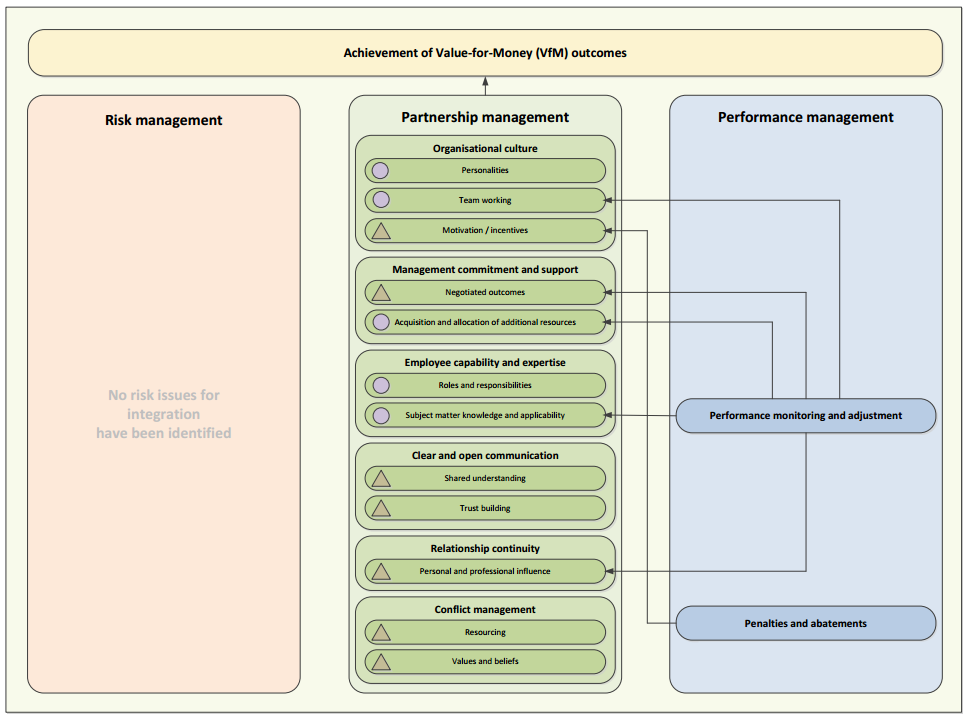
Fig. 7.3 IMM Partnership Management Perspective.
Table 7.1 IMM Partnership Management PPP VfM Factors, Evidence-base and Treatment Options.
Partnership management VfM contributors | Partnership management VfM evidence-base foundation | ||
• Proposed corrective actions for under-performance are mutually agreed with the private partner and these actions are implemented as agreed • Development and continuation of productive relationships with service users, employees and applicable community groups • Consortia informs the public partner of emerging risks and performance issues that have the potential to impact upon the achievement of planned VfM outcomes • No occurrences of negligence, fraud and / or corruption • Public partner employees adhere to all accountabilities and responsibilities under governance, probity and compliance frameworks • Disputes are quickly resolved with little to no impact on service delivery obligations and litigation is avoided | • Progress made against partnership / stakeholder management strategies and plans e.g. assessing whether key messages between the public and private partners or internal project teams and their project control groups have been properly understood and complied with • Assessing public partner employees behaviour through staff appraisals to ensure they are effectively discharging their duties in line with project accountabilities and responsibilities e.g. the contract administration manual • Outputs comply with relevant industry standards e.g. assessing partnership relations that may relate to people involvement and competence | ||
Partnership management treatments that may increase the likelihood of achieving VfM outcomes | |||
Organisational culture | Employee capability and expertise | Clear and open communication | |
Personalities: • Personality compatibility testing for key interfacing roles • Employee development plans Team working: • Articulation and reinforcement of project objectives • Clearly defined team member roles and responsibilities • Effective discharge of duties against agreed accountabilities and governance requirements • Integration of employees into teams • Clear communication, dispute resolution and information sharing practices • Employee commitment to use established business processes Motivation / incentives: • Threat of / application of abatement • Employee consultation in design of new work programs • Staff KPIs relate to achievement of specific goals | Roles and responsibilities: • Clearly defining employee accountabilities and responsibilities • Identify critical success factors • Align employee competencies with job requirements • Regularly reviewing work packages with employees to assess project business needs Subject matter knowledge and applicability: • Employee development programs • Compliance / remedial action against policies, frameworks and procedures • Distillation and documentation of key commercial and project learning | Shared understanding: • Clear communication of organisational beliefs, values and behaviours • Adoption of common language Trust building: • Pursuit of common goals • Shared understanding • Management follow-through on agreed actions • Mandate / enforce project-wide adherence to governance, probity and compliance frameworks • Showing employees respect • Engage employees in decision-making processes • Delegate tasks or responsibilities to employees, as appropriate | |
Relationship continuity | Management commitment and support | Conflict management | |
Personal and professional influence: • Understand the situation from others' point of view • Where possible, work towards a preferred outcome (win / win) • Communicate effectively with those who may be able to help | Negotiated outcomes: • Relaxation of penalty clauses for strategic reasons with retrospective application of abatements for continued under-performance Acquisition and allocation of additional resources: • Prioritisation of funding proposals • Financial cutbacks for less important initiatives to counter shortfalls | Resourcing / values and beliefs: • Understand the situation from others' point of view • Take advice, as appropriate, from subject matter experts, operations committees / working groups, legal counsel etc • Re-arrange project priorities • Re-allocate resources • Take disciplinary action / imposing training on under-performing employees • Use dispute resolution specialists, if needed | |
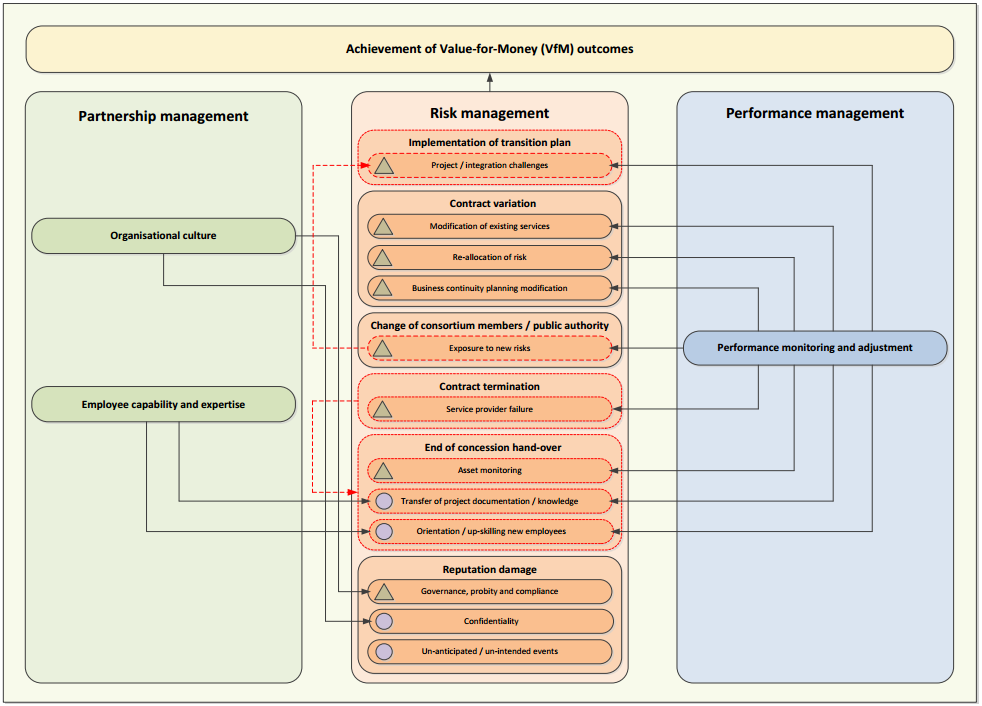
Fig. 7.4 IMM Risk Management Perspective.
Table 7.2 IMM Risk Management PPP VfM Factors, Evidence-base and Treatment Options.
Risk management VfM contributors | Risk management VfM evidence-base foundation | ||
• Identified risks that may prevent business case or other defined strategic objectives from being met are appropriately managed • Service delivery is aligned / re-aligned with business case / project brief objectives, concession deed, service specifications and subsequent contract amendments • Service delivery is perceived by users and the wider community to represent VfM • Where appropriate, opportunity risk leading to improved VfM outcomes is implemented | • Confidentiality agreements are put in place e.g. reduce the likelihood that public partner employees will divulge sensitive project information to third parties for personal gain • Public partner employee compliance with governance, probity and compliance frameworks • No occurrences of negligence, fraud and / or corruption • Outputs comply with relevant industry standards e.g. those relating to business continuity planning, public health and safety and fraud control • Assessing public partner employees behaviour to ensure they are effectively discharging their duties in line with project accountabilities and responsibilities e.g. against the contract administration manual • Transition, operations, environmental, quality improvement, performance shortfall, asset management, end of concession hand-over plans etc are developed and progress against them is monitored • Risk registers, business continuity plans, issue logs etc are developed, kept up-to-date and used to mitigate identified risks • Service usage (e.g. volume / demand) and failure event reports / exception reports are used for trend reporting to identify emerging risks • Benchmarking / competitive market testing is undertaken as scheduled • Relevant audit findings / recommendations are implemented • Lessons learned logs are used and disseminated as appropriate e.g. to facilitate the broadening of project-specific and wider public sector project knowledge • Innovation registers are used e.g. to facilitate ideas that could lead to service user improvements and / or cost efficiencies | ||
Risk management treatments that may increase the likelihood of achieving VfM outcomes | |||
Implementation of transition plan | Contract termination | Change of consortium members / public authority | |
Project / integration challenges: • Update / report on risk registers, business continuity plans, issue logs etc • Application of penalties / abatement for under-performance or delay | Service provider failure: • Activation of business continuity plans • Stakeholder communication planning • Enact the termination administrative / change of control processes • Final asset inspection • Transfer project documentation / knowledge • Orientate / up-skill employees • Use benchmarking and competitive market testing findings for tendering process • Use circumstances that led to termination to probe tenderers' ability and readiness to manage similar situations | Exposure to new risks: • Update / report on risk registers, business continuity plans, issue logs etc | |
Contract variation | End of concession hand-over | Reputation damage | |
Modification of existing services: • Risk assessment • Scenario planning • Review, testing and update of business continuity plans • Review business continuity planning and risk management policies, frameworks and procedures • Review identified opportunity risks • Performance audits Re-allocation of risk: • Risk assessment • Scenario planning • Review, testing and update of business continuity plans • Review business continuity planning and risk management policies, frameworks and procedures • Trend analysis • Performance audits Business continuity planning modification: • Review, test and update of plans • Review policies, frameworks and procedures • Force majeure events and warnings reports • Stakeholder communication planning | Asset monitoring: • Asset management reports • Obtain assurance that irregularities / adverse findings are resolved Transfer of project documentation / knowledge: • Align transition plans with business continuity plans and service provider short-fall plans • Agree methodology for transferring project / operational knowledge • Distillation and documentation of key commercial and project learning • Reinforce knowledge between partners • Personnel plans • Clear role and responsibility definition • Skills appraisals / training plans Orientation / up-skilling of employees: • Clear role and responsibility definition • Skills appraisals, training plans, assimilation plans • Staff assessment on competency and adherence to governance, probity and compliance frameworks • Employee maintenance of project-based 'lessons learnt' logs • Succession planning • Production of 'how to' documentation for using essential systems and processes • Agree methodology for transferring project / operational knowledge • Regular updates of hand-over packages / exit interviews | Governance, probity and compliance: • Policy, framework and procedural changes clearly communicated to employees • Declarations of conflict of interest • Disclosure of acceptance of gifts, benefits and / or hospitality Confidentiality: • Develop an organisational (project) culture fostered on trust • Agreements signed by all employees that have access to, or are expected to get access to, commercial-in-confidence and cabinet-in-confidence material • Incidences of non-compliance escalated to government decision-makers, as appropriate Un-anticipated / un-intended events: • Annual contingency budget • Communication and issue management planning | |
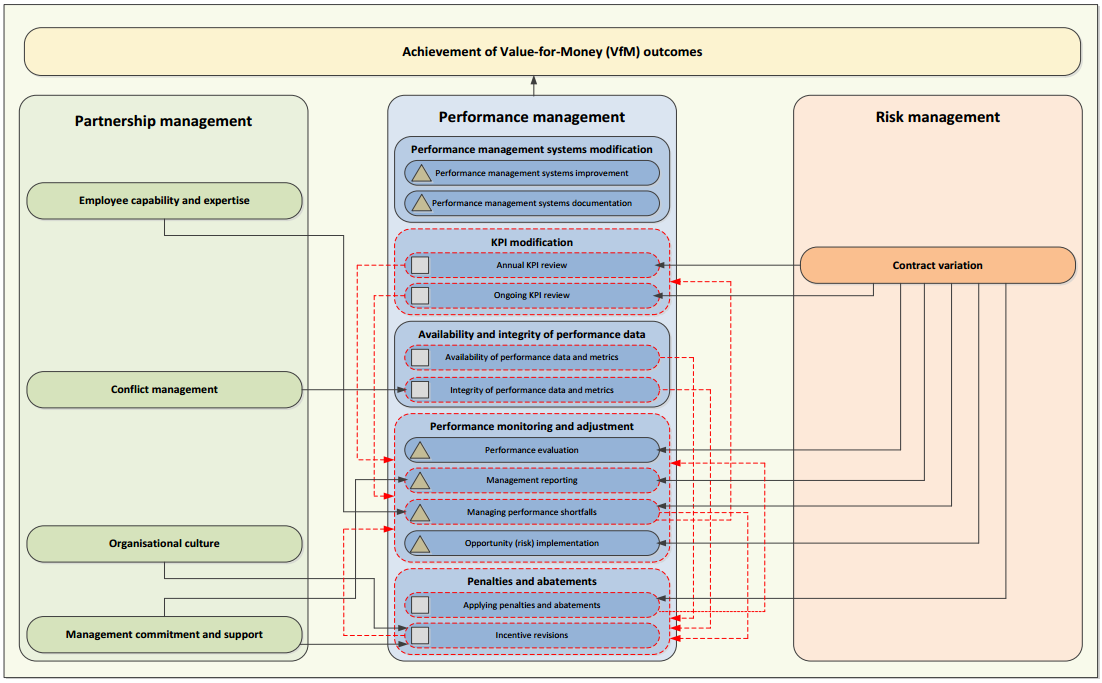
Fig. 7.5 IMM Performance Management Perspective.
Table 7.3 IMM Performance Management PPP VfM Factors, Evidence-base and Treatment Options.
Performance management VfM contributors | Performance management VfM evidence-base foundation | ||
• Public sector agency / departmental project obligations are delivered within budget and on time • Services are delivered in line with business case / project brief objectives, concession deed, service specifications and subsequent contract amendments • Agreed changes to service delivery is aligned / re-aligned with business case / project brief objectives, concession deed, service specifications and subsequent contract amendments • Consistently high levels of service user and wider community satisfaction is reported • Incidences of negligence, fraud and / or corruption are appropriately dealt with | • Project expenditure remains within prescribed budgetary limits • Achievement of VfM outcomes as defined by the business case / project brief objectives, concession deed, service specifications and subsequent contract amendments • Incident rates / KPI performance failure rates decline • Public partner accountabilities and responsibilities relating to the contract administration manual are satisfactorily discharged • Outputs comply with relevant industry standards e.g. those that may relate to process improvement and facilities management • Relevant audit findings / recommendations are implemented • Implementation of opportunity risk proposals e.g. innovations that lead to improved VfM outcomes | ||
Performance management treatments that may increase the likelihood of achieving VfM outcomes | |||
Performance management systems modification | Performance monitoring and adjustment | KPI review | |
Performance management systems improvement: • Systems capability reviewed in conjunction with planned modification of KPIs • Systems have capability / capacity to measure lagging and leading indicators • Systems have capability / capacity to analyse trends Performance management systems documentation: • User guides updated in line with systems modification • User guides used to assess documented outputs against actual employee performance | Performance evaluation: • Benchmark employee deliverables against job descriptions including outputs and outcomes specified in contract management manuals • Adherence to agreed policies, frameworks and procedures • Progress made against work plans and technical assessments e.g. asset management plans, issues registers etc • Progress made against the achievement project business case objectives / justifications made for amending a contract • Benchmarking / competitive market testing Management reporting: • Project reporting used as a foundation for interpreting strategy into work plans, measuring strategic objectives and conducting skills appraisals • Developing further (or refining existing) control actions Managing performance shortfalls: • Employee skills appraisals • Disciplinary action taken against consistently under-performance employees • Sub-contracting arrangements • Modification of KPIs • Contract amendment Opportunity (risk) implementation: • Maintenance of an innovation register • Linking innovative ideas to incentive schemes to encourage better performance | Annual KPI review: • Agreed between partners prior to commencement of each contract year • Alterations are relevant, measurable, repeatable and achievable • Rationale for modification fully documented Ongoing KPI review: • As above (albeit with more regular review) | |
Availability and integrity of performance data and metrics | Penalties and abatements | ||
Availability of performance data and metrics: • Abatement for failure to provide data • Decisions not to abate are properly justified and fully documented • Continued non-compliance results in contract termination (as appropriate) Integrity of performance data and metrics: • Suspected wrong-doing, negligence, fraud and / or corruption escalated timely to an appropriate decision-maker • Investigation of all credible accusations • Confirmed instances dealt with through disciplinary / legal action, the issue of warning / penalty notices and / or abatement • In the most serious of incidents, termination of contract may be warranted | Applying penalties and abatements: • Enforcement decisions are closely aligned with relevant contractual clauses • Consistent application of penalties / abatements for under-performance (unless there is a properly justified case for not doing so) • Cure plans and default scenarios, as appropriate Incentive revisions: • Failure of to follow through on assurances lead to retrospective application of abatements • Off-setting under-performing services with other services rendered • Rationale for each instance of non-abatement fully documented to protect against corporate memory loss | ||