9.8 Final IMM
The final version of the IMM, is shown diagrammatically, below in Tables 9.15 to 9.18; and in Figures 9.1 to 9.3.
It will be noted that risk management no longer has a sequential central place in the model, but is situated on the left-hand side when it is associated with partnership management (as the central discipline under consideration); and on the right-hand side of performance management when the latter takes its central place.
The IMM cover sheet, showing the conceptual outline of the model, is depicted in Fig. 9.1. Table 9.15 then presents the VfM factors, evidence-base and treatment options for partnership issues in the IMM. Fig. 9.2 places partnership management in the central place, flanked by its associated risk management and by cross-over issues of performance management. Table 9.16 outlines example partnership management risks and re-states the treatment options for ease of reference. Here precise risk statements are attempted (for typical risk examples only), each dealing with the trigger event and its likelihood of occurrence, the consequence(s) of the event, and usually with some reference to duration of exposure to the event and / or consequences. Edwards and Bowen (2005) advocate precise risk statements as important for fully understanding each identified risk; informing evaluation processes and risk treatment decisions; and guiding monitoring and control procedures. Table 9.17, Fig. 9.3 and Table 9.18 position performance management as the central focus.
Integrated Management Model: Cover sheet | ||||||||||||||||||
|
|
| ||||||||||||||||


Fig. 9.1 Conceptual Overview of the IMM.
Table 9.15 IMM Partnership Management VfM Factors, Evidence-base and Treatment Options.
Partnership management VfM contributors | Partnership management VfM evidence-base foundation | ||
• Proposed corrective actions for under-performance are mutually agreed with the private partner and these actions are implemented as agreed • Development and continuation of productive relationships with service users, employees and applicable community groups • Consortia informs the public partner of emerging risks and performance issues that have the potential to impact upon the achievement of planned VfM outcomes • No occurrences of negligence, fraud and / or corruption • Public partner employees adhere to all accountabilities and responsibilities under governance, probity and compliance frameworks • Disputes are quickly resolved with little to no impact on service delivery obligations and litigation is avoided | • Progress made against partnership / stakeholder management strategies and plans e.g. assessing whether key messages between the public and private partners or internal project teams and their project control groups have been properly understood and complied with • Assessing public partner employees behaviour through staff appraisals to ensure they are effectively discharging their duties in line with project accountabilities and responsibilities e.g. the contract administration manual • Outputs comply with relevant industry standards e.g. assessing partnership relations that may relate to people involvement and competence | ||
Partnership management treatments that may increase the likelihood of achieving VfM outcomes | |||
Organisational culture | Employee capability and expertise | Clear and open communication | |
Personalities / abilities: • Personality compatibility testing for key interfacing roles • Employee development plans Team working: • Articulation and reinforcement of project objectives • Clearly defined team member roles and responsibilities • Effective discharge of duties against agreed accountabilities and governance requirements • Integration of employees into teams • Clear communication, dispute resolution and information sharing practices • Employee commitment to use established business processes Motivation / incentives: • Threat of / application of abatement • Formal recognition of superior private partner performance • Employee consultation in design of new work programs • Staff KPIs relate to achievement of specific goals • Staff reward and recognition programs | Roles and responsibilities: • Clearly defining employee accountabilities and responsibilities • Identify critical success factors • Align employee competencies with job requirements • Regularly reviewing work packages with employees to assess project business needs Subject matter knowledge and applicability: • Employee development programs • Compliance / remedial action against policies, frameworks, performance systems and procedures • Distillation and documentation of key commercial and project learning • Succession planning | Shared understanding: • Clear communication of organisational beliefs, values and behaviours • Adoption of common language • Document agreed project decisions for future reference • Regular discussion about future organisational direction with private partner Trust building: • Pursuit of common goals • Shared understanding • Management follow-through on agreed actions • Mandate / enforce project-wide adherence to governance, probity and compliance frameworks • Showing employees respect • Engage employees in decision-making processes • Document agreed project decisions for future reference • Delegate tasks or responsibilities to employees, as appropriate • Highlighting progress / celebrating successes with employees | |
Management commitment and support | Conflict management | Relationship continuity | |
Negotiated outcomes: • Relaxation of penalty clauses for strategic reasons with retrospective application of abatements for continued under-performance Acquisition and allocation of additional resources: • Prioritisation of funding proposals • Financial cutbacks for less important initiatives to counter shortfalls | Under-performance - non-performance / values and beliefs: • Operate a "no blame" culture • Document agreed project decisions for future reference • Understand the situation from others' point of view • Take advice, as appropriate, from subject matter experts, operations committees / working groups, legal counsel, etc • Re-arrange project priorities • Re-allocate resources • Take disciplinary action / imposing training on under-performing employees • Use dispute resolution specialists, if needed | Personal and professional influence: • Understand the situation from others' point of view • Where possible, work towards a preferred outcome (win / win) • Communicate effectively with those who may be able to help | |
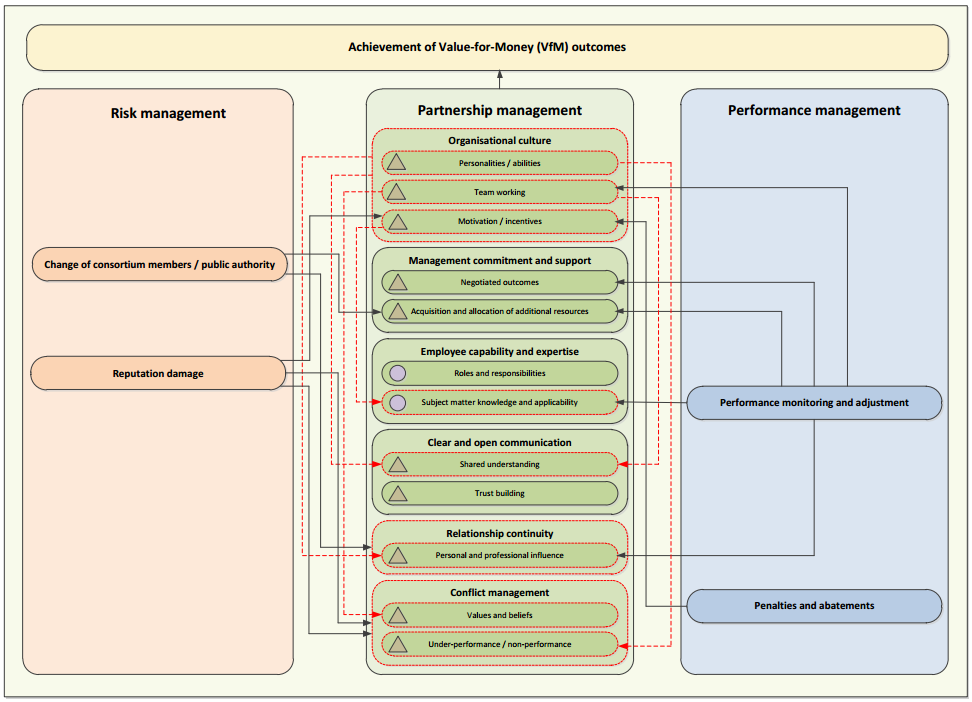
Fig. 9.2 IMM Partnership Management Perspective.
Table 9.16 IMM Partnership Management Risk and Treatment Option Examples (not a complete list).
Example Risk Statements | Treatment Options |
Organisational culture |
|
Personalities /abilities |
|
There is a chance that ineffective recruitment practices will lead to poor employee fit and result in low productivity There is a chance that a lack of employee skills will lead to inability to fulfil contractual responsibilities and result in poor outcomes | • Personality compatibility testing for key interfacing roles • Employee development plans |
Team working |
|
There is a chance that duplication of employee efforts will occur and result in ineffective knowledge management practices | • Articulation and reinforcement of project objectives • Clearly defined team member roles and responsibilities • Effective discharge of duties against agreed accountabilities and governance requirements • Integration of employees into teams • Clear communication, dispute resolution and information sharing practices • Employee commitment to use established business processes |
Motivation / incentives |
|
There is a chance that a lack of career development opportunities will lead to employee disengagement and result in failure to meet performance targets | • Threat of / application of abatement • Formal recognition of superior private partner performance • Employee consultation in design of new work programs • Staff KPIs relate to achievement of specific goals |
There is a chance that failure by management to acknowledge employee achievements will occur, leading to weakening of organisational culture | • Staff reward and recognition programs |
Management commitment and support |
|
Negotiated outcomes |
|
There is a chance that budget cut-backs will occur, leading to reduced funding for skilled staff and result in failure of the public partner to respond to risks and opportunities | • Relaxation of penalty clauses for strategic reasons with retrospective application of abatements for continued under-performance |
There is a chance that a lack of management support will lead to minor concerns escalating into serious issues and result in costly disputes with the private partner |
|
Acquisition and allocation of additional resources |
|
There is a chance that Machinery of Government changes are poorly implemented and result in uncertainty in decision-making | • Prioritisation of funding proposals • Financial cutbacks for less important initiatives to counter shortfalls |
Employee capability and expertise |
|
Roles and responsibilities |
|
There is a chance that poorly defined roles and responsibilities will lead to employee efforts being duplicated and result in productivity losses There is a chance that poorly defined accountabilities will discourage skilled candidates applying for project roles and result in increased workloads for existing staff | • Clearly defining employee accountabilities and responsibilities • Identify critical success factors • Align employee competencies with job requirements • Regularly reviewing work packages with employees to assess project business needs |
Subject matter knowledge and applicability |
|
There is a chance that turnover of key staff will lead to disruption of business continuity and in failure to deliver intended outcomes There is a chance that a lack of public partner experience will lead to failure to understand service delivery requirements and poor strategic outcomes | • Employee development programs • Compliance / remedial action against policies, frameworks, performance systems and procedures • Distillation and documentation of key commercial and project learning • Succession planning |
Clear and open communication |
|
Shared understanding |
|
There is a chance that poor communication will occur, leading to misunderstanding with the private partner and possible delivery of unintended outcomes | • Clear communication of organisational beliefs, values and behaviours • Adoption of common language • Document agreed project decisions for future reference • Regular discussion about future organisational direction with private partner |
Trust building |
|
There is a chance that unpredictable behaviour between partners will occur, leading to distrust and damage to the strategic relationship There is a chance that the introduction of new processes will lead to a lack of trust in the public partner's motives and result in informal precedent being claimed by the private partner | • Pursuit of common goals • Shared understanding • Management follow-through on agreed actions • Mandate / enforce project-wide adherence to governance, probity and compliance frameworks • Showing employees respect • Engage employees in decision-making processes • Document agreed project decisions for future reference • Delegate tasks or responsibilities to employees, as appropriate • Highlighting progress / celebrating successes with employees |
Relationship continuity |
|
Personal and professional influence |
|
There is a chance that staff departures will lead to the loss of vital project knowledge and result in delays to achieving intended outcomes | • Understand the situation from others' point of view • Where possible, work towards a preferred outcome (win / win) • Communicate effectively with those who may be able to help |
Conflict management |
|
Under-performance / non-performance |
|
There is a chance that irreconcilable differences in interpreting contractual requirements will occur and result in litigation with the private partner | • Operate a "no blame" culture • Document agreed project decisions for future reference • Understand the situation from others' point of view • Take advice, as appropriate, from subject matter experts, operations committees / working groups, legal counsel, etc • Re-arrange project priorities • Re-allocate resources • Take disciplinary action / imposing training on under-performing employees • Use dispute resolution specialists, if needed |
Values and beliefs |
|
There is a chance that misinterpretation of agreed project actions will occur leading to disputes and result in long-term damage to relations with the private partner | • Operate a "no blame" culture • Document agreed project decisions for future reference • Understand the situation from others' point of view • Take advice, as appropriate, from subject matter experts, operations committees / working groups, legal counsel, etc • Re-arrange project priorities |
Table 9.17 IMM Performance Management VfM Factors, Evidence-base and Treatment Options.
Performance management VfM contributors | Performance management VfM evidence-base foundation | ||
• Public sector agency / departmental project obligations are delivered within budget and on time • Services are delivered in line with business case / project brief objectives, concession deed, service specifications and subsequent contract amendments • Agreed changes to service delivery is aligned / re-aligned with business case / project brief objectives, concession deed, service specifications and subsequent contract amendments • Consistently high levels of service user and wider community satisfaction is reported • Incidences of negligence, fraud and / or corruption are appropriately dealt with • Continuous improvement practices are adopted and maintained | • Project expenditure remains within prescribed budgetary limits • Achievement of VfM outcomes as defined by the business case / project brief objectives, concession deed, service specifications and subsequent contract amendments • Incident rates / KPI performance failure rates decline • Public partner accountabilities and responsibilities relating to the contract administration manual are satisfactorily discharged • Outputs comply with relevant industry standards e.g. those that may relate to process improvement and facilities management • Relevant audit findings / recommendations are implemented • Implementation of opportunity risk proposals e.g. innovations that lead to improved VfM outcomes | ||
Performance management treatments that may increase the likelihood of achieving VfM outcomes | |||
Performance management systems | Performance monitoring and adjustment | KPI review | |
Performance management systems improvement: • Systems capability reviewed in conjunction with planned modification of KPIs • Systems have capability / capacity to measure lagging and leading indicators • Systems have capability / capacity to analyse trends | Performance evaluation: • Benchmark employee deliverables against job descriptions including outputs and outcomes specified in contract management manuals • Adherence to agreed policies, frameworks and procedures • Progress made against work plans and technical assessments e.g. asset management plans, issues registers etc • Documents agreed project decisions for future reference • Performance audits • Benchmarking / competitive market testing • Monitor the financial strength of consortia • Review insurance policies • Progress made against the achievement project business case objectives / justifications made for amending a contract • Review and implement findings from service user experience surveys • Regular discussion about future organisational direction with private partner Management reporting: • Project reporting used as a foundation for interpreting strategy into work plans, measuring strategic objectives and conducting skills appraisals • Developing further (or refining existing) control actions Managing performance shortfalls: • Employee skills appraisals • Disciplinary action taken against consistently under-performance employees • Sub-contracting arrangements • Modification of KPIs • Contract amendment Opportunity (risk) implementation: • Maintenance of an innovation register • Linking innovative ideas to incentive schemes to encourage better performance | Annual KPI review: • Agreed between partners prior to commencement of each contract year • Alterations are relevant, measurable, repeatable and achievable • Rationale for modification fully documented Ongoing KPI review: • As above (albeit with more regular review) | |
Availability and integrity of performance data and metrics | Penalties and abatements | ||
Applying penalties and abatements: • Enforcement decisions are closely aligned with relevant contractual clauses • Consistent application of penalties / abatements for under-performance (unless there is a properly justified case for not doing so) • Cure plans and default scenarios, as appropriate Incentive revisions: • Failure of to follow through on assurances lead to retrospective application of abatements • Off-setting under-performing services with other services rendered • Rationale for each instance of non-abatement fully documented to protect against corporate memory loss • Rationale for each instance of non-abatement fully documented to protect against departmental / external agency criticism | |||
Availability of performance data and metrics: • Abatement for failure to provide data • Decisions not to abate are properly justified and fully documented • Continued non-compliance results in contract termination (as appropriate) Integrity of performance data and metrics: • Performance audits • Suspected wrong-doing, negligence, fraud and / or corruption escalated timely to an appropriate decision-maker • Investigation of all credible accusations • Confirmed instances dealt with through disciplinary / legal action, the issue of warning / penalty notices and / or abatement • In the most serious of incidents, termination of contract may be warranted | |||
Finance and budget management | |||
Cost management: • Managing the contract management budget including its update over time and considering corrective actions • Managing the impact of owner's and supplier's modifications on the budget, asset management plan, quarterly service fees and financial model • Ensuring that warranty or fit-for-purpose issues are appropriately managed • Managing the financial implications of disputes and potential settlements • Refinancing with consortia partners during the life of the PPP or when the circumstances of the financial market are favourable | |||
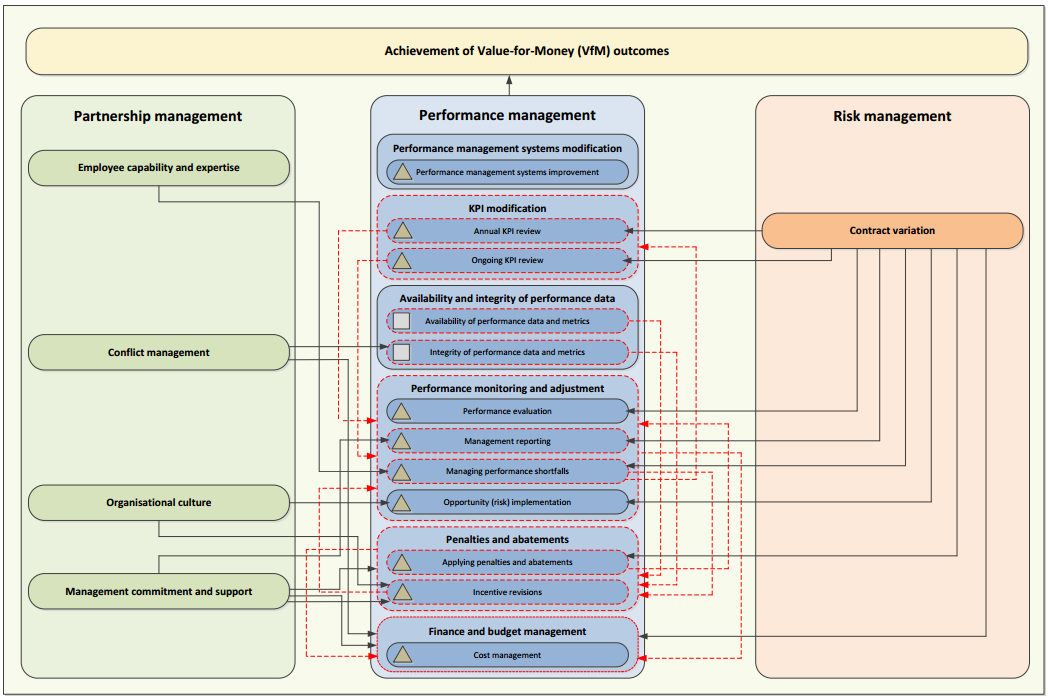
Fig. 9.3 IMM Performance Management Perspective.
Table 9.18 IMM Performance Management Risk and Treatment Option Examples (not a complete list).
Example Risk Statements | Treatment Options |
Performance management systems |
|
Performance management systems improvement | |
There is a chance that the introduction of a new performance management system will not be supported by established project practices and result in failure to measure private partner performance data in a meaningful way | • Systems capability reviewed in conjunction with planned modification of KPIs • Systems have capability / capacity to measure lagging and leading indicators • Systems have capability / capacity to analyse trends |
KPI review |
|
| |
There is a chance that failure of the private partner to agree to re-negotiate poorly designed KPIs will result in ongoing service user / consumer dissatisfaction in service delivery There is a chance that failure by the public partner to understand the service delivery environment will lead to poorly revised KPIs and result in the achievement of unintended outcomes | • Agreed between partners prior to commencement of each contract year (albeit with more frequently for ongoing KPI review) • Alterations are relevant, measurable, repeatable and achievable • Rationale for modification fully documented |
Availability and integrity of performance data and metrics | |
Availability of performance data and metrics | |
There is a chance that a lack of performance data will impede the public partner's ability to determine whether or not its private partner is delivering agreed performance targets | • Abatement for failure to provide data • Decisions not to abate are properly justified and fully documented • Continued non-compliance results in contract termination (as appropriate) |
Integrity of performance data and metrics |
|
There is a chance that private partner human error or negligence will occur, leading to mistakes or omissions in safeguarding project asses and result in reduced VfM outcomes There is a chance that theft of project assets by public or private partner employees will occur resulting in reduced VfM outcomes | • Performance audits • Suspected wrong-doing, negligence, fraud and / or corruption escalated timely to an appropriate decision-maker • Investigation of all credible accusations • Confirmed instances dealt with through disciplinary / legal action, the issue of warning / penalty notices and / or abatement • In the most serious of incidents, termination of contract may be warranted |
Performance monitoring and adjustment |
|
Performance evaluation |
|
There is a chance that public partner failure to enforce corrective actions will occur leading to private partner under-performance and continued acts of non-compliance There is a chance that the public partner will fail to detect changes in informal processes made by its private partner, resulting in informal precedent being claimed | • Benchmark employee deliverables against job descriptions including outputs and outcomes specified in contract management manuals • Adherence to agreed policies, frameworks and procedures • Progress made against work plans and technical assessments e.g. asset management plans, issues registers etc • Documents agreed project decisions for future reference • Performance audits • Benchmarking / competitive market testing • Monitor the financial strength of consortia • Review insurance policies • Progress made against the achievement project business case objectives / justifications made for amending a contract • Review and implement findings from service user experience surveys • Regular discussion about future organisational direction with private partner |
Management reporting |
|
There is a chance that inaccurate private partner performance reporting will occur, leading to sub-optimal critical decisions and ineffective use of internal project resources | • Project reporting used as a foundation for interpreting strategy into work plans, measuring strategic objectives and conducting skills appraisals • Developing further (or refining existing) control actions |
Managing performance shortfalls |
|
There is a chance that public partner inexperience will occur, leading to failure to manage private partner under-performance and poor VfM outcomes | • Employee skills appraisals • Disciplinary action taken against consistently under-performance employees • Sub-contracting arrangements • Modification of KPIs • Contract amendment |
Opportunity (risk) implementation |
|
There is a chance that a lack of employee incentives to drive change will occur, resulting in missed opportunities to introduce innovative practices | • Maintenance of an innovation register • Linking innovative ideas to incentive schemes to encourage better performance |
Penalties and abatements |
|
Applying penalties and abatements |
|
There is a chance that public partner employee error will occur leading to inaccurate abatement calculations and reduced VfM outcomes There is a chance that the public partner will fail to consistently apply abatement for private partner under-performance, resulting in reduced VfM outcomes | • Enforcement decisions are closely aligned with relevant contractual clauses • Consistent application of penalties / abatements for under-performance (unless there is a properly justified case for not doing so) • Cure plans and default scenarios, as appropriate |
Incentive revisions |
|
There is a chance that any occurrence of public partner decisions to relax the application of penalty clauses to encourage better private partner performance will result in public criticism by the Auditor-General There is a chance that failure by the public partner to follow through on retrospective application of abatement for continued under-performance by the private partner will result in public criticism by the Auditor-General | • Failure to follow through on assurances leads to retrospective application of abatements • Off-setting under-performing services with other services rendered • Rationale for each instance of non-abatement fully documented to protect against corporate memory loss • Rationale for each instance of non-abatement fully documented to protect against departmental / external agency criticism |
Finance and budget management |
|
Cost management |
|
There is a chance that public partner budgeting / forecasting data will be inaccurate or incomplete, and result in delay to achieving intended outcomes There is a chance that human error or negligence will occur, leading to private partner financial records / statements being misstated, and result in costly partnership disputes | • Managing the contract management budget including its update over time and considering corrective actions • Managing the impact of owner's and supplier's modifications on the budget, asset management plan, quarterly service fees and financial model • Ensuring that warranty or fit-for-purpose issues are appropriately managed • Managing the financial implications of disputes and potential settlements • Refinancing with consortia partners during the life of the PPP or when the circumstances of the financial market are favourable |