Attachment B Role of the SRO in the IIAF
The governance and oversight of an infrastructure project/program ordinarily includes three major parties: a 'sponsor', 'deliverer' and 'asset owner/manager or operator'. The typical responsibilities/functions of these parties are described in Table B1.
Table B1 Typical responsibilities of major parties to a project/program
| Party | Typical responsibilities and functions of parties to a project |
| Sponsor | ■ Secures the funding ■ Owns the business case ■ Responsible for specifying the asset requirements ■ Ensures the project remains strategically aligned and viable ■ Ensures benefits are on track |
| Deliverer | ■ Responsible for procurement of asset from investment decision to commissioning ■ Delivering the benefits ■ Translates requirements from the sponsor and manages delivery outcomes ■ Selects the most appropriate supplier/s to meet project objectives |
| Asset manager/ owner or operator | ■ Responsible for day to day operations and maintenance of asset once commissioned ■ May be a part of the sponsor or delivery organisation or a separate entity ■ Operator and maintainer of the assets might be separate entities ■ Asset management is the coordinated activity of organisations to realise value from their assets |
The role performed by each of these parties may be emphasised depending on the particular project life cycle point a project/program is in. Further, the roles performed by each party often have necessary interdependencies with each other to enable the successful delivery of a project/program. This is depicted in Figure B1.
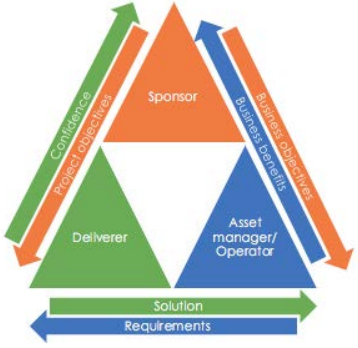
Figure B1 Interaction of the responsibilities and functions of key parties to a project/program
While there are typically three major parties to a project, good governance and project/program assurance calls for the need to have a single point of accountability and strategic responsibility. The Senior Responsible Officer (SRO) of a project/program occupies this position. The SRO may come from the 'sponsor', 'deliverer' or 'asset manager/owner or operator' agency, depending on the stage of the project/program within its lifecycle. Notwithstanding this, the officer holding the position of SRO should be identifiable at any particular point in time.
Table B2 outlines the typical responsibilities of these officers when occupying the position of SRO in relation to the IIAF.
During the assurance and Gateway Review process the SRO is expected to be available, support, and ensure that all necessary information is made available to the Review Team.
Table B2 Typical holder of SRO position during project lifecycle
| Project Lifecycle Stage | Sponsor | Deliverer | Asset manager/owner or operator | |
| Develop | Gate 0: Project Justification | ✓ SRO |
| ✓ SRO |
| Gate 1: Strategic Assessment | ✓ SRO |
|
| |
| Gate 2: Business Case | ✓ SRO |
|
| |
| Procure | Gate 3: Pre-tender |
| ✓ SRO |
|
|
| Gate 4: Tender Evaluation |
| ✓ SRO |
|
| Deliver | Gate 5: Pre-commissioning |
| ✓ SRO | ✓ SRO |
| Operate | Gate 6: Post-implementation |
|
| ✓ SRO |