VIETNAM
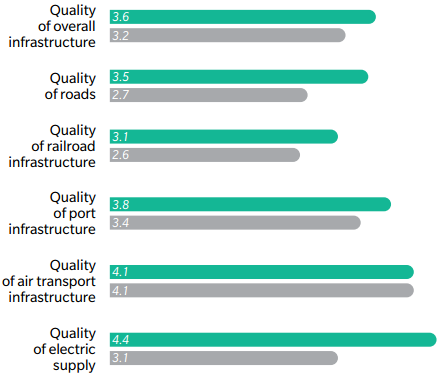
EXHIBIT 26: CORE COUNTRY INFRASTRUCTURE METRICS AND STATISTICS
GLOBAL COMPETITIVENESS INDEX
| INFRASTRUCTURE SCORE | OVERALL RANKING | KEY INDICATORS*1 | ||
|
|
|
|
75th | GDP per capita
Population
FDI, Net inflows (BoP) |


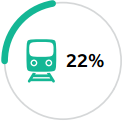
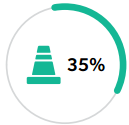
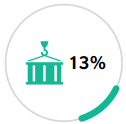
VIETNAM INFRASTRUCTURE SPEND IN 2015 (BREAKDOWN BY SECTOR)
$13.3 BILLION
|
|
|
|
|
|
| Rail Infrastructure | Road Infrastructure | Other Infrastructure Projects*2 | Electricity and Power | Telecommunications and Water Utilities*3 |
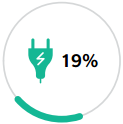
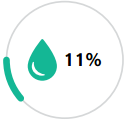
*1 World Bank's Data-2015 figures all measured in current 3
*2 Includes airports, dams, ports, land control systems, and inland waterway infrastructure
*3 Includes telecommunications, sewage infrastructure, and water infrastructure
Source: APRC analysis, World Economic Forum, Construction Intelligence Center
Vietnam is taking gradual steps in liberalizing its economy, in parts by relaxing its industry regulations and in parts by embracing more PPPs to attract further private-sector participation in the infrastructure sector. As the government lacks the fiscal capacity to meet its infrastructure financing requirements, this move helps to facilitate the divestment of state-owned enterprises and also expand the pool of resources available for more infrastructure projects.
In 2015, the government issued the regulation Decree 15 which covers PPP investments (see Exhibit 27). The regulation provides a single legal framework for private investments in public infrastructure. According to PPP Knowledge Lab, there were 68 Build-Operate-Transfer projects as of mid-May 2016 that were formulated under the management of Vietnam's
Ministry of Transport, amounting to about $176 billion.69 In 2016, Vietnam's foreign direct investment inflow surged to a record $15.8 billion as Vietnam's efforts to improve infrastructure and lure more foreign investors began to have an impact.70
Alongside this, the growing populations and rapid urbanization of key cities like Hanoi and Ho Chi Minh City will undoubtedly require more infrastructure, pushing the growth in infrastructure spending in Vietnam. In its Railway Development Strategy until 2020, the Vietnam government is looking to invest about $10 billion to develop railway infrastructure in the country with plans to upgrade the 2,237 km meter-gauge rail network and 1,726 km of single track main line between these two key cities.71
EXHIBIT 27: VIETNAM'S NEW PUBLIC-PRIVATE PARTNERSHIP DECREE 15
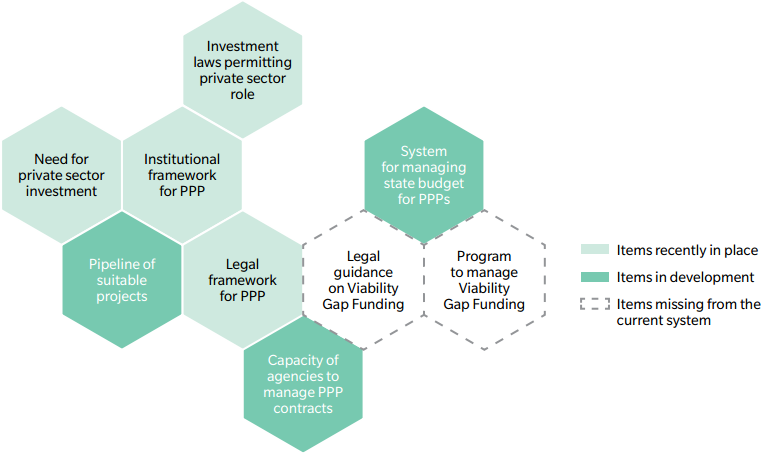
Source: World Bank's Public-Private Partnership in Infrastructure Resource Center (PPPIRC) website
| The Government needs to accelerate energy sector reform, including price reform, aggressively promote investments in renewable energy and enhance transparency around the plans.77 Louise Chamberlain, Country Director, United Nations Development Programme (UNDP) Vietnam |
In addition, these cities are looking to establish better transport infrastructure within and between them in attempts to ease congestion and the pressure on existing networks, and also reduce air pollution. Out of the combined $4.6 billion of funds that they are seeking, Hanoi is looking to borrow half of that amount through the ADB and Japanese Official Development Assistance (ODA) to develop key metro lines which require a total investment amount of $2.7 billion, the remaining $0.4 billion funded by its city's budget. While Ho Chi Minh City is looking to use $2.3 billion to solve its chronic traffic congestion and flooding, it is estimated that they would require close to $22 billion from now till 2021 in order to meet its urban infrastructure needs.70