Project Financing and Implementation
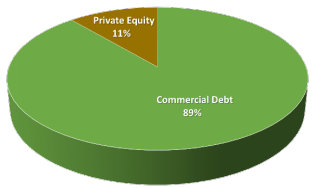
| The private developers financed the project using a mix of long-term, commercial debt and their own equity. A group of institutional lenders led by CIGNA Investments, Prudential Power Funding Associates, and John Hancock Mutual Fund Life Insurance Company provided $258 million in long-term loans, due to mature over 29 and 32-year terms. In addition, the private partners also contributed $40 million in cash. They used the long-term loans to repay an earlier short-term loan of $57 million from a group of banks including Barclays, NationsBank, and Deutsche Bank. These banks also provided standby and revolving lines of credit of $40 million each to cover construction cost overruns, potential operating shortfalls, and in certain circumstances, debt service. If the toll revenue generated by the Greenway met the levels projected, TRIP II would not need to tap into either line of credit. If not, then the standby lines of credit would be used to allow the concession company to meet its obligations until project revenues from toll collections increased to the needed level. | Dulles Greenway
|
The project financing and delivery structure included no financial risk to the Commonwealth. Additionally, the TRIP II partners agreed to forego making real estate investments along the corridor, limiting additional risk exposure.