Project Overview
The Pennsylvania Rapid Bridge Replacement Project is an availability payment-based public-private partnership (P3) that will replace 558 structurally deficient bridges in three years. The Pennsylvania Department of Transportation (PennDOT) entered into a P3 agreement with Plenary Walsh Keystone Partners to design and construct the bridges and then maintain them for 25 years. The bridges are smaller spans on local streets in rural areas across the state. |
|
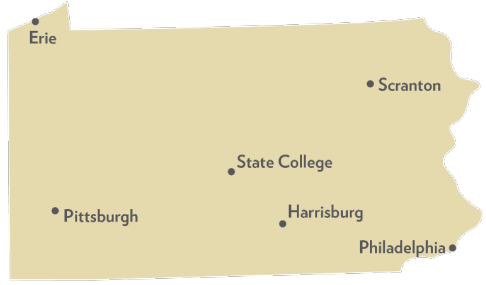
With 25,000 state owned bridges, Pennsylvania has the third-largest number of bridges of any state in the nation and the unwanted distinction of having the largest number of structurally deficient bridges of any state. The average bridge owned by PennDOT is over 50 years old, and there are currently weight restrictions limiting heavier vehicles from driving on roughly 1,000 bridges in the Commonwealth. These restrictions inconvenience local communities and inhibit economic development. With approximately 250 to 300 additional bridges being designated structurally deficient annually, the overall number of deficient bridges has been increasing, making bridge replacement one of PennDOT's most pressing needs.
The purpose of the Rapid Bridge Replacement Project is to accelerate the replacement of structurally deficient bridges with robust, high-quality new structures that will be well maintained and have longer lifespans. By bundling the replacement of over 500 bridges in a single P3 procurement, PennDOT hopes to create efficiencies through economies of scale and then apply asset management best practices throughout the concession period. The bridges have been designed to minimize environmental impacts and public inconvenience during construction.
The project includes 87 so-called "Early Completion Bridges." In order to expedite construction on these bridges, PennDOT is responsible for gaining necessary environmental approvals, acquiring right-of-way, and completing utility relocations. The remaining 471 bridges included in the project are designated as "Remaining Eligible Bridges." The private partner is responsible for gaining environmental approvals and making utility relocations for these crossings. However, PennDOT retains responsibility for any necessary right-of-way acquisition for the Remaining Eligible Bridges.