3.3 Developing a governance, probity and compliance framework
Appropriate project governance, probity and compliance arrangements are fundamental to good contract management. Good governance is important for dealings with the private party and internally within government. The contract management team must conduct itself and its dealings in a way that is consistent with acceptable probity principles, as well as ensuring the private party complies with relevant laws, regulation and government policies.
The task of developing a governance, probity and compliance framework relies on an analysis of four questions:
1. What assurance is necessary to ensure appropriate standards of governance, probity or compliance (as applicable) are met?
2. What needs to be done, by whom and when, to ensure adherence to the applicable standards, and that the risk to government is managed effectively?
3. What are the consequences to government and project outcomes if the applicable standards are not met?
4. How should the consequences of a failure to meet the applicable standards be effectively managed?
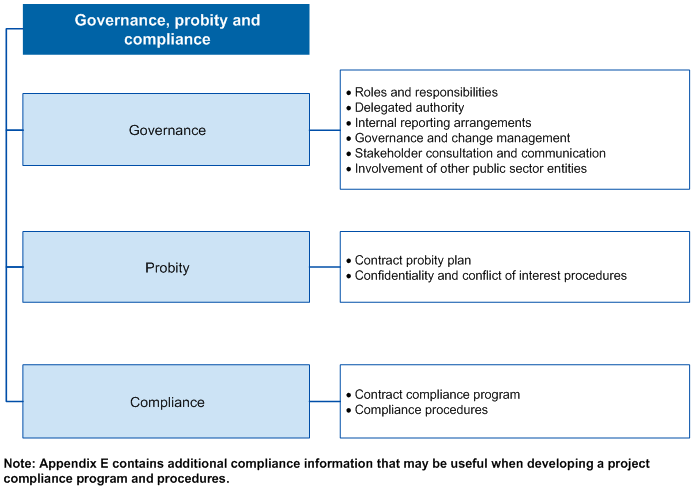
Figure 3.2 shows the elements of the governance, probity and compliance framework.
Figure 3.2: Governance, probity and compliance framework
After analysing the collected information, the government party should consider the division of public/private responsibility. This enables the government party to identify each task relating to the Partnerships Victoria project as either:
• the government party's sole responsibility;
• the private party's responsibility;
• a shared responsibility between the government party and private party; or
• a residual government party responsibility that is not the subject of any project deed obligations.
The government party can then develop specific governance, probity and compliance tools and processes.