The Port of Miami is located on an island in Biscayne Bay between the cities of Miami and Miami Beach. Before the construction of the Port of Miami Tunnel, the only access to the port was via a single bridge between the island and the city's central business district (shown on the bottom left of Figure 1). Over 16,000 vehicles were using the roads surrounding the port every day, with cargo trucks making up a quarter of that number.
With the expansion of the Panama Canal due to be completed in 2015, as well as the Port of Miami acting as the "cruise capital of the world", it was clear that better access was required. Congestion was inhibiting the operations of the port, and the commercial growth of the city. This was exacerbated by the traffic patterns of Miami, where congestion is an issue not just during weekday rush hour, but also in the evenings and on the weekends during peak nightlife hours. By connecting the port directly to the interstate network, a tunnel would help remove up to 1.5 million trucks per year from the roads in the downtown region of the city. It was partly for this reason that it was decided not to toll the tunnel; applying user fees would have introduced the risk that some drivers would avoid the tunnel and continue to use the existing bridge.
A tunnel had been considered by the region's planners as early as 1982, however, it entailed substantial risks. It would have to be built 40 metres below sea level, under a busy shipping channel and in an environmentally sensitive area with uncertain geotechnical conditions.
The project would in fact include two tunnels (one for each direction of traffic), as well as improvements to the connecting causeway and port roads. A PPP model was decided to be the most appropriate procurement model to ensure value for money for the state, as it would best allow the transfer of construction risk to the private sector. Additionally, given the economic uncertainties and hardship due to the Global Financial Crisis, the state was reluctant to take on a large amount of debt to finance the construction of the tunnel.
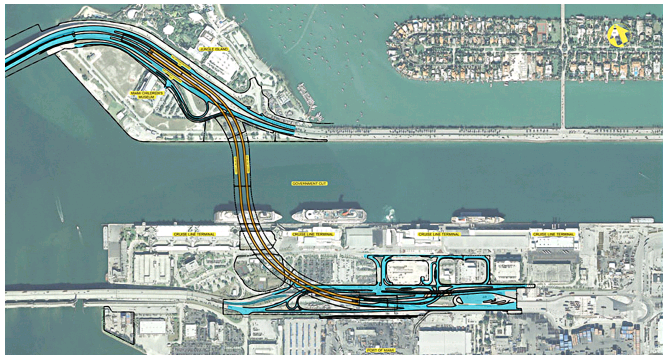
Figure 1: Port of Miami Tunnel "Yellow" (http://www.portofmiamitunnel.com)