A. Gender-Sensitive Stakeholder Engagement
Stakeholder identification and engagement at an early stage of the project can help government and private-sector parties clarify the project's scope, impacts and objectives; identify critical issues;
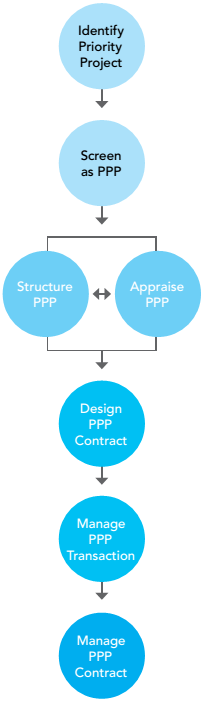
Figure 2: Typical PPP Process with Gender Entry Points Outlined
INITIAL CONCEPT | PROGRESS TOWARD PPP CONTRACT | POSSIBLE WAYS TO INVOLVE GENDER |
|
|
|
| • Gender-sensitive stakeholder engagement • Gender analysis • Use gender-related criteria for PPP prioritization | |
| • Terms of Reference for consulting firms • Gender-sensitive stakeholder engagement • Feasibility assessments: environmental, social, technical, financial & economic viability assessment • Legal feasibility assessment • Business case | |
| • Include gender considerations in PPP contractual provisions re: environmental & social standards; safeguards; procurement; stakeholder engagement; employment/entrepreneurship; project monitoring; grievance redress mechanisms; technical and performance requirements • Procurement strategy-can actively promote women's empowerment; e.g., inclusion of women-owned businesses • Bidder qualification requirements can consider gender; e.g., does bidder have a code of conduct? • Evaluation criteria-extra points can be given to bidders demonstrating they have implemented gender requirements in the past. | |
| • Collect gender disaggregated data • Reporting obligations re: performance requirements related to project gender aims • Gender-sensitive stakeholder engagement procedures • Include women's representatives in all gender-related activities- e.g., for more sensitive grievance redress mechanisms |


and prepare effective strategies for managing them. Engaging potential users and key stakeholders throughout the process can strengthen support for the project.
Early gender-sensitive stakeholder-engagement activities can include the following:
• Identification of key female and male direct and indirect stakeholders, as well as their representatives;
• Development of a stakeholder communication and engagement strategy that takes differences between both genders into account;46 and
• Outreach to men and women (for example, through social surveys and household interviews).47
____________________________________________________________________________
46 For example, different representations in community structures, differences in access to information, accessibility of networks, means of communications, agency to take actions or to make decisions that may be due to social, cultural, religious or legal differences between men and women.
47 For more details, see B. 1. c. (ii).