HIGHLIGHTS OF THE RESEARCH
Following engagement with service providers across Queensland, New South Wales, Victoria and New Zealand, service providers confirmed (95 per cent) that PPP projects do deliver on the service as promised by government and departments in media releases, community information documents and public meetings. All service providers reported that the PPP projects investigated opened for service to the community on-time, and since that time, they have performed better than the traditional model.
A clear and overwhelming preference (95 per cent) was found among service providers for working within a PPP facility over that of the traditional government-owned and operated facility. Some respondents also indicated that experience in the PPP model was a significant career advantage.
The level of satisfaction with the quality of service delivered remained high through the years of operation investigated. The ongoing high levels of satisfaction suggest that the PPP model was a successful means of achieving and maintaining positive outcomes.
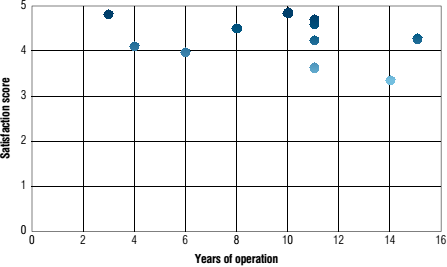
Service providers were of the view that the PPP projects were delivering value for money (VFM), but also constructively identified opportunities for evolution and continued improvement in the PPP model.
The researchers' analysis of project documentation showed that the VFM originally evaluated by government as a part of the tender process has been maintained throughout the operating phase of the PPP agreement with no evidence of price creep nor of risk transfer back to government. This analysis demonstrated that 10 out of the 12 case study projects investigated met or bettered government estimates as expressed within the Public Sector Comparator (PSC). Interesting, where the PSC had not been bettered, there appeared to be a heightened level of satisfaction of service providers with the product and services being received. Effectively, paying more meant higher levels of services.
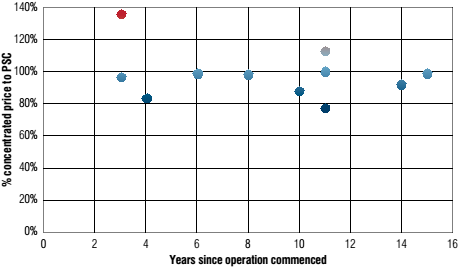
Clearly, this shows that PPPs in Australia and New Zealand are delivering on their promise. Governments should continue to consider and use the PPP model for social infrastructure service delivery as a way of bringing greater benefits to service providers and users, and better value for taxpayers.