Risk Management and Trends across Regions
Risk management is essential to successful project management and delivery. Regulators, owners and the general public are increasingly expecting confidence and certainty in the design, delivery and operation of projects across the globe.
Projects fail because they are unable to adequately manage uncertainty and expectations. The plans are either too optimistic (i.e. the budget and schedule are based on the wrong assumptions), or external events and risks impact the plan's objectives, often giving rise to construction claims and disputes. Effective risk management aims to promote successful project delivery claims avoidance through the identification, assessment and response to these uncertainties.
Risk management is well established in certain industries, like transportation and oil and gas, and continues to grow in water/ wastewater and resiliency sectors. For public projects with high visibility and political considerations, there is an intense amount of scrutiny on the cost and delivery dates of these projects.
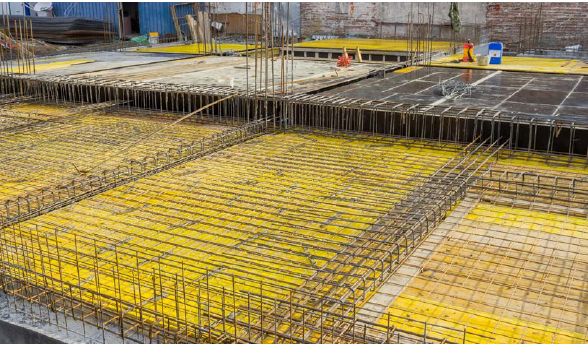
Transportation: Risk management has been adopted by many transportation agencies across the globe for decades. Mega projects - such as new airport terminals, metro systems or freeways - and urban transportation network improvements are highly complex and interface with a large number of stakeholders. As they have such a direct impact on the traveling public and daily commuters, risk management is often emphasized to project the finish date of these projects, which can be of significant reputational importance to the transportation agency and politicians. To mitigate risks and delays, the project team may implement acceleration measures and cause inefficiencies that can give rise to future claims.
Water/Wastewater: Much of the European and North American wastewater systems were built over a century ago and can no longer cope with the demands of the much larger cities they now support. This has resulted in a large number of recent wastewater mega projects such as the Tideway Tunnel in London. These projects often coordinate with and use risk management lessons learned from transportation agencies.
Climate Change and Resiliency: Climate change is becoming one of the most important political topics with sea level rises and urban flooding, along with water shortages and drought frequently making national and international headlines. This has led to much larger environmental protection and resiliency projects, often funded from central governments who use risk assessments to give confidence in how and when their money will be spent.
Oil and Gas: In addition to focusing on profitability, multinational oil and gas corporations also have to consider other significant risks including accidents, safety, and dangerous environments. With the significant amount of upfront and operational cost in oil extraction, the industry uses risk management to predict whether a reserve is worth exploiting and for how long. Accidents and oil spills can have devastating environmental, safety and cost impacts. And, as easily accessible oil has already been tapped, extraction often takes place in hostile locations, subject to hurricanes in the Gulf of Mexico, political uncertainty in the Middle East or winter storms in Norway.