 Outcome-based approach
Projects and programmes should adopt an outcome-based approach focused on whole life value, performance and cost. This will help suppliers understand contracting authorities' ambitions without being prescriptive about how to deliver outcomes. A shared focus on outcomes, rather than scope, will unlock innovation and drive continuous improvement.
Clear and measurable outcomes should be set at the outset of a project or programme. In developing these, projects and programmes should focus on whole life value. This will enable teams to identify and understand how their project will perform as part of a wider system of interdependencies and contribute to government's economic, social and environmental priorities. At the project level when procuring from the market, outcomes and metrics should draw on the social value model. In turn, this should inform an appropriate delivery model, commercial approach and route to market (see chapters 5 and 6).
The new Project Scorecard being developed by the Infrastructure and Projects Authority will support teams in achieving this. It sets out a clear framework linking the contribution of an individual project to the delivery of government's priority outcomes as defined by the Public Value Framework and social value model (see chapter 6).
To help enable contracting authorities and suppliers to make informed decisions throughout the lifecycle, we will work together with industry to develop a consistent definition of whole life value for use in the built environment in 2021.
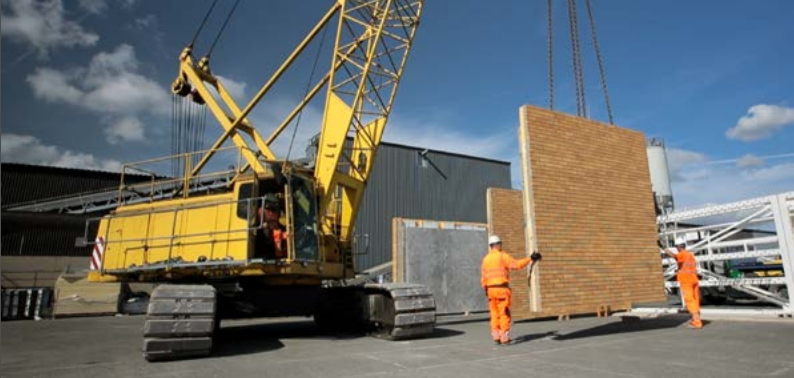
A design underpinned by a clear set of objectives which meets the requirements and specification is a critical factor in the overall timely and cost-effective delivery of projects and programmes. It is important to engage with a wide range of stakeholders in creating design objectives, requirements and specifications including end users and the market. Projects and programmes should start with a clear vision and avoid being overly prescriptive to allow the supply chain the opportunity to provide innovative solutions.
Where appropriate, we should specify consistent standards for products and interfaces to reduce unnecessary bespoke solutions, enable efficiencies, aggregate demand and support the move to adopting platforms-based approaches (see chapter 2).
Good design and specifications will go through a number of stages of development before being finalised. Table 1 sets out a number of key considerations in drafting a technical specification. Ultimately, specifications should provide sufficient information for the market to make an informed decision about whether they want to bid, to enable the contracting authority to have confidence as to what will be built, and for both parties to be clear on what is included in the price.
Table 1. Effectively drafting technical specifications
Good practice | Avoid |
• Use simple language and avoid jargon. • Define terms, symbols and acronyms. • Adopt a logical structure. • Be concise ("Contractor must..."). • Focus on outcomes. • Ensure there is sufficient information to enable prospective contractors to price their solution. • Ensure the specification is fully reflected and embedded in the draft contract. | • Over-specifying the solution early in the process. • Excessively specifying inputs. • Missing out requirements by failing to engage with all relevant stakeholders. • Discriminating against or offering an unfair advantage to a prospective contractor. • Drafting the contract and specification in isolation of each other. |