Review documents - Whether the project governance structure had the knowledge and experience of delivering PPP construction projects
To assess this IR question, we focussed on the overall governance structure established and used by Waka Kotahi to manage project delivery of the TGP and make key decisions.
In terms of the overall governance structure, from our reading of the project documents we identified several versions of the TGP's governance structure as it evolved from the business case stage to the procurement phase. Our summary of the changes made to the project governance structure is:
• Immediately post the approval of the DBC, a Project Steering Group (PSG) was established by Waka Kotahi and this forum operated from December 2012 to February 2013 as the main PPP decision making body for TG;
• In December 2012, the Board was briefed on the proposed PSG and proposed project governance structure, which also included a "Regional Steering Group" (RSG). Our summary of the defined roles mentioned in this Board briefing for the PSG and RSG is:
- The PSG was convened by a senior Waka Kotahi executive, with membership comprising other agency executives, New Zealand Treasury, and a legal and independent PPP adviser. The PPP Project Director reported to the PSG monthly to ensure that appropriate strategic direction was provided to the Project, performance was managed, and risks were being effectively considered and mitigated.
- The RSG was convened by a senior Waka Kotahi executive with membership comprising other agency representatives and other parties. The PPP Project Director was able to seek direction from the RSG to ensure that regional requirements were being effectively met by the TGP.
• From December 2012, Waka Kotahi commenced procurement of external advisers (e.g. commercial/financial, legal, technical, probity, etc) to assist them with the delivery of the TGP. Several of these advisers had previous experience in precedent New Zealand projects and access to international offices with extensive experience in PPPs;
• From March 2013, the PSG was replaced by the PAG, and a new governance body (i.e. the DMT) was introduced. This change appears to reflect project management structures that Waka Kotahi would normally use to deliver major infrastructure projects;
• With the above summary in mind and using information identified in the review documents, our understanding of the TGP's operational governance structure (dated early 2013 in the project review documents) is set out in Figure 8 (below).
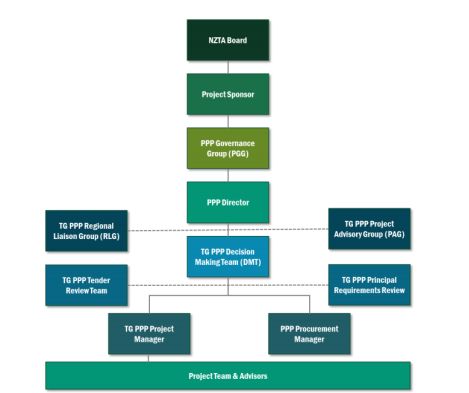
Figure 8: TGP Project Governance Structure
• We identified in the review documents a TG PPP Decision Matrix (see Table 3, below) that sets out the following key roles for each of the above governance groups, and indicative key papers they would be responsible for. We understand this matrix was developed around February 2013 to help provide more structure to the PPP-related activities and decisions;
Table 3: TG PPP (Governance) Decision Matrix
Key Role | Key Papers (Indicative) | |
Board | Provides final approval for Preferred Bidder appointment and approval to execute contract Receives updates on Project progress from time to time Considers specific topic areas on request | Performance Regime Tolling Business Case Project updates papers Final Approvals papers |
Governance Group | Key CEO decisions in accordance with standard delegations for PPPs (Treasury guidance): Reviews key papers prior to Board Oversight and peer review | Approval of EOI Short-listing Approval of EOI Content Approval of RFP Evaluation Plan Approval of Preferred Bidder Approval of Negotiation Strategy Agreement of all key contractual terms and conductions Monthly Project Director's Report |
Project Advisory Group (formerly the PSG) | Providing strategic direction and guidance regarding desired outcomes and objectives for the TG PPP Considers and provides guidance on specific topic areas on request | Tolling Policy and TG Tolling Business Case PPP Policy TG PPP Outcomes & Performance Regime Evaluation of Best Quality for the Regular Project Director Highlight Report for noting |
Decision Making Team | Provides overall steerage of the TG PPP Project and ultimately responsible for ensuring that the Project remains on course to deliver the required outcomes Ensures the successful delivery of the Project within agreed scope, timetable, resources, quality and budget Makes decisions regarding the Project Supports timely resolution of issues that may affect the successful delivery of the Project Responsible for risk management. Recommends decisions and documents for consideration or approval by Value Added Committee, Project Advisory Group, Governance Group and/or Board | EOI Evaluation Plan RFP Evaluation Plan EOI Short-listing recommendation RFP Procurement Approach RFP Constraints RFP Content PSC and Affordability Threshold Designation/consents risk allocation Performance Regime/Payment Mechanism Specific TG PPP contract terms Link Roads Agreement Property Acquisition Programme Tolling Business Case Project Controls - Plan, Resources, Budget, Programme, Risk Register, Issues Log |
• We could not identify in any of the review documents if the TGP governance structure had been benchmarked to PPP project structures used in other PPP projects, both in New Zealand and for comparable projects internationally. We note that the New Zealand 2009 PPP Guidelines, that were in use at the time the TGP team was established, does not provide specific guidance on typical project management structures for PPPs, but page 16 of those 2009 guidelines directs readers to the Australian PPP Guidelines (i.e. Section 8 of Volume 2: Practitioners' Guide) for guidance regarding PPP project structures;
• From the review documents we also identified several themes from the independent observations/comments made in the two 2014 Lessons Learnt reports about TGP's governance structure. These included:
- This was the Waka Kotahi's first PPP, and governance and decision-making processes were over complicated and should be simplified for future projects;
- A clear governance and decision-making structure must be established at the start of the project. Roles, responsibilities and delegated authorities must be clearly defined and may need to be different from Waka Kotahi's standards; and
- The governance structure was complicated with multiple groups established and the respective roles/distinction between them were not clear.
• The P2W Detailed Business Case (at page 103) also has references to the TGP's procurement governance and PPP capability by way of explaining Waka Kotahi's capacity and understanding of PPPs, which has been developed through TGP, and there are three key elements to developing this further:
- Having a team of Waka Kotahi and advisory staff with the right capacity, knowledge and experience to deliver further improvements in PPP delivery.;
- Having in place an appropriate internal governance structure to guide decision making through a PPP procurement process and to ensure the necessary level of transparency and assurance is received; and
- Incorporating lessons learnt from the TGP process and further thinking developed during and since TGP.