Architectural Review
2.1 The Architectural Review consisted of a comprehensive site inspection and design review of each school. For each school, an assessment of the categories below was completed, and a score determined for each in accordance with the Building Regulations at the time of construction or on a scale of consideration against similar facilities. DoE General Design Guidelines for Post Primary Schools (2004)3, and relevant to the Pilot PPP Schools Bundle only, the User Requirements prepared by the DoE (2001), were also considered in the scoring assessment.
| Architectural Review Categories: | |
| • | Site arrangement & facilities |
| • | Construction quality |
| • | Building layout |
| • | Adaptability |
| • | Quality of internal learning spaces |
| • | Quality of internal space generally |
| • | Quality of internal environment |
| • | Flexibility and variety of learning spaces |
| • | Internal journey/pupil movement |
| • | Physical Education and ancillary spaces |
| • | Pupil social & dining experience |
| • | Staff facilities |
| • | Sanitary facilities |
| • | Internal finishes |
| • | Universal access |
| • | Health, Safety & Security |
| • | Community facilities |
| • | Quality of cleaning & maintenance |
| • | Overall architectural quality |
Figure 2.1 - Architectural Review Scores by Group
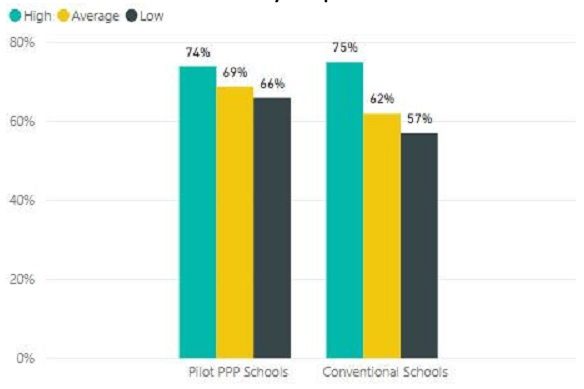
Table 2.2 - Architectural Review Findings
| Pilot PPP Schools Bundle | Conventional Schools | |
| The layout of each of the Pilot PPP Schools is consistently compact and efficient, and all function well from an educational perspective. | The layout of the Conventional Schools is less consistent, with two of the four schools suffering from being part of a wider campus arrangement, consisting of building blocks that have developed more organically, rather than as part of a pre-conceived master plan. | |
| The quality of teaching spaces is reasonably good across all nine schools (all are generally in accordance with DoE design guidance); however, the quality of the more public internal spaces is less consistent. The highest scoring Pilot PPP School and the highest scoring Conventional School are excellent examples of genuinely interesting, light, bright and airy spaces, with excellent views to the outside, whilst at the other end of the spectrum, there are PPP and Conventional Schools presenting relatively poor examples, which do not really have any memorable internal spaces at all. | ||
| All Pilot PPP Schools subscribe to a relatively standard specification and material palette (with just a few subtle differences in some schools) and relatively modern design typical of PPP developments. | There is a greater variation in specification between the Conventional Schools. Two follow a very traditional design template whilst the other two are closer in specification and form to the Pilot PPP Schools. | |
| Internal finishes are utilitarian across all schools except for one Pilot PPP School which was of a higher specification. Consistency in quality and approach is again greater across the Pilot PPP Schools Bundle. | Internal finishes are quite utilitarian across each of the schools, except for the highest scoring Conventional School (which scores higher overall than all the Pilot PPP Schools) which incorporates several higher quality materials such as timber wall panels, ceramic tiled flooring, and plank-type suspended ceilings in the most public places. Conversely, two of the Conventional Schools demonstrated a disappointing quality of finishes. | |
2.2 For overall design quality, all Pilot PPP Schools considered together scored higher on an average to the comparator group, however, one of the Conventional Schools scored highest overall. The Pilot PPP Schools Bundle provide a greater consistency in terms of design and construction and are assessed as being of an overall higher specification from the design review conducted.
2.3 School design and pedagogy have developed significantly since these buildings were designed (nearly two decades ago) and therefore the briefs for future school building projects will inevitably call for less cellular spaces and a greater range of more flexible and collaborative spaces that will be more suitable to deliver a contemporary curriculum.
______________________________________________________________________________
3 While "General Design Guidelines for Post Primary Schools" was first published in 2004, earlier drafts of this document were in circulation within the Planning and Building Unit of the DoE from 2001 and would have been used as a basis for evaluating the design and layout of new post-primary school buildings and extensions at the time the Conventional Schools were procured.