Enabling more efficient and reliable supply chain operations
There are significant opportunities to increase productivity and deliver goods more efficiently with lower-cost supply chains. The COVID-19 pandemic has shown that where there is a shared will supported by community understanding, governments and industry can make changes, such as abolishing curfews, to supply chain procedures quickly (see Figure 4.5).19
To ensure this responsiveness continues in the future, there will need to be commodity-specific supply chain improvement action plans. These should be prepared collaboratively by government, industry and community stakeholders.
The commodity action plans should include targeted modifications to regulations, low-cost tactical changes to operational practices, and local asset improvements.
Preparing them will involve having access to consolidated data and decision-making tools.
These should include the 'Transport Network Strategic Investment Tool' (TraNSIT) model developed by CSIRO: Commonwealth Scientific and Industrial Research Organisation. TraNSIT is a strategic investment and network operating tool that supports road and rail freight decisions.
Ideally, all stakeholders will be able to activate supply chain action plans quickly in response to changes in trade relationships or network operating conditions.
This will keep critical supply chains active despite unexpected external disruptions.20
Transport model A computer program that supports decision-making by analysing alternative scenarios for passenger and freight travel needs, and different infrastructure investments and transport services that meet these needs |
Figure 4.5: Operational changes should continue where possible so supply chain efficiencies can be preserved
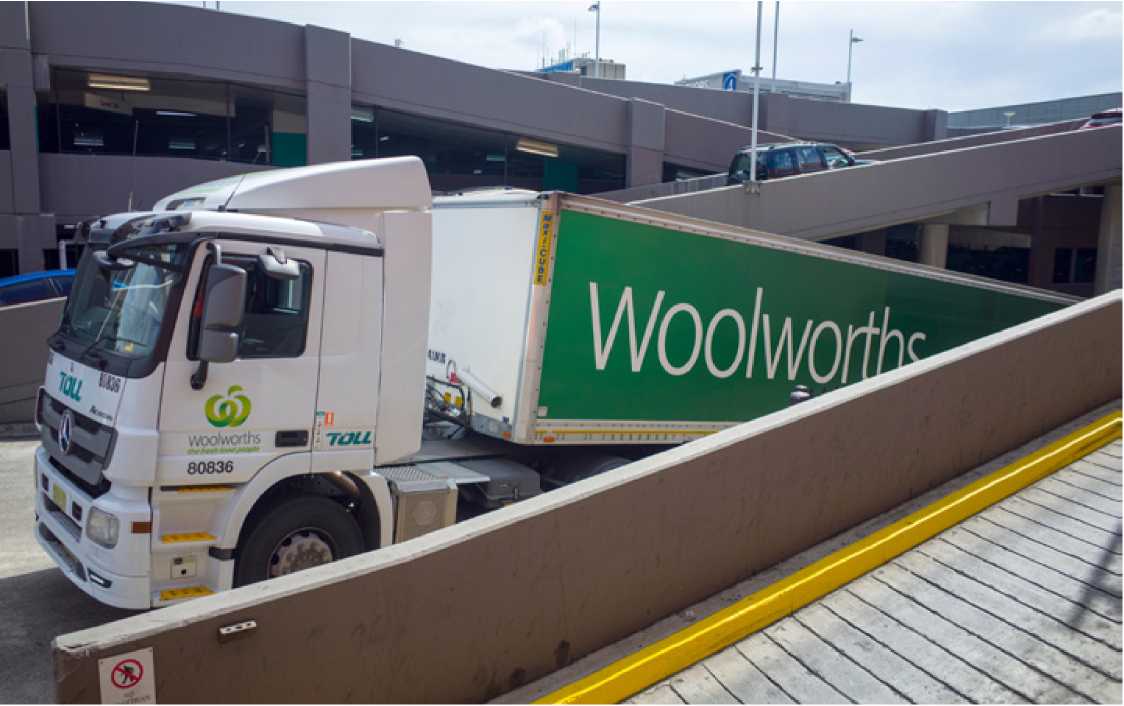
Empty supermarket shelves shifted community attitudes during COVID-19.