Taking advantage of the new transport economy
Even before the COVID-19 pandemic, the pace of change in the Australian transport sector was rapidly transforming mobility.
Digital connectivity, smartphone applications and new power sources are fundamentally transforming how people own or share, access, fuel and use transport services.
" Learning from the experience of 2020 is helping Australia to set positive future directions for passenger transport. "
The pandemic led to additional and unprecedented travel behaviour changes. For example, users temporarily abandoned city centre public transport services and turned to walking, biking and e-bikes or e-scooters for local access and exercise.30
Learning from the experience of 2020 is helping Australia to set positive future directions for passenger transport that build on the broader momentum of change for the urban mobility sector:
• The isolating effects of lockdowns have reinforced how digitally connected transport services must better meet the needs of people with disability.
• The growth of walking and cycling in local neighbourhoods has highlighted the possibility of active travel for many types of Journey, including microfreight deliveries.
• As the use of traditional public transport continues to recover, demand-responsive products (such as Bridj, Keoride, Ola, Shebah and Uber) are able to fill gaps, adapting quickly to changing needs and adding to the resilience of transport networks.
Combining these activities with actions to increase the role of shared, connected, electric and autonomous services in Australia's mobility mix will result in fairer, safer and more sustainable passenger transport outcomes for all users.
Microfreight Delivery options that use regular or power-assisted bikes and other small vehicles to carry freight to end users. Microfreight deliveries may connect freight depots on the edge of central business districts to customers in the city core, reducing the need for larger vans and trucks to operate on congested streets. |

4.3 Recommendation Free people from relying on driving for door-to-door mobility by ensuring urban transport services are managed as an integrated, inclusive, user-responsive and smart transport system. Proposed sponsor: Department of Infrastructure, Transport, Regional Development and Communications Supported by: State and territory transport departments, local governments | |||
When this should impact: |
| Where this should impact: |
|


| 4.3.1 Relieve congestion growth at the start of the urban development lifecycle by making active and public transport first and last mile networks the first transport projects completed in the local catchment of emerging and new centres. Proposed lead: Department of Infrastructure, Transport, Regional Development and Communications Supported by: State and territory transport departments, local governments |
| Pre-empt local congestion growth by identifying and delivering active and public transport networks around urban centres at the same time that they are designated as future mass transit station locations. Proposed lead: State and territory transport departments Supported by: Local governments |
| Maximise the accessibility of new mass transit services by active travel and local public transport and reduce reliance on the provision of commuter car parking by reguiring mass transit corridor proposals to incorporate a first- and last-mile service delivery plan that addresses: • active travel modes • bus priority access • demand-responsive services • Mobility as a Service subscription models • multimodal interchanges connecting first-and last-mile choices to mass transit services. Proposed lead: Department of Infrastructure, Transport, Regional Development and Communications Supported by: State and territory transport departments, local governments |
| Promote the emergence of sustainable travel patterns in new communities by facilitating the operation of bus services that offer an attractive and reliable alternative to the purchase of multiple cars by a single household. Proposed lead: State and territory transport departments Supported by: Local governments |
| Enable the use of innovative funding mechanisms such as developer contributions to meet some of the operating costs of frequent scheduled or demand- responsive services during the first three to five years of people settling in greenfield urban areas. Proposed lead: State and territory planning departments Supported by: State and territory transport departments, local governments |
| Improve the attractiveness of public transport compared to car use in new release areas by ensuring the design and construction sequencing of road networks enable direct, frequent and efficient bus routes and services between separate subdivisions. Proposed lead: Local governments |
| 4.3.2 Accelerate the trend towards people using their cars less in established urban areas and grow a sustainable patronage base for public transport use for all passenger journey needs by bringing forward traditional and demand- responsive road-based transport products as alternatives to car use for door-to-door suburban travel. Proposed lead: State and territory transport departments Supported by: National Transport Commission, Austroads, local governments, Mobility as a Service operators |
| Meet existing and emerging travel demand during the project development phase for mass transit corridors within urban areas by ensuring frequent bus services are operational on parallel roads or preserved corridors (where these are available) before new mass transit projects are announced. Proposed lead: State and territory transport departments |
| Support the timely deployment of transport products that offer a lower-impact alternative to motor vehicle use for urban passenger and freight transport by ensuring traffic control systems, kerbside parking regimes, multimodal interchanges, commuter car parking, bus stops and access pathways are designed to integrate with and support demand-responsive bus, minibus, rideshare, micromobility device sharing and/or microfreight operations, as required. Proposed lead: State and territory planning departments, state and territory transport departments Supported by: Local governments |
| Enable all Jurisdictions to support efficient Mobility as a Service operations that provide users with seamless Journey outcomes by developing and implementing a coordinated national position that addresses common definitions, data standards and system specifications. Proposed lead: National Transport Commission Supported by: Austroads, state and territory transport departments, Mobility as a Service operators |
| To optimise door-to-door outcomes for users in lower-demand markets, ensure contracting models enable the integration of traditional and demand-responsive services under area-based public transport operating contracts. Proposed lead: State and territory transport departments |
| 4.3.3 Ensure all people in Australia enjoy equivalent accessibility outcomes by investing in transport infrastructure and services in line with the Disability Discrimination Act 1992 (Cth),31 Disability Standards for Accessible Public Transport 200232 and broad objectives for universal access to services. Proposed lead: Department of Infrastructure, Transport, Regional Development and Communications Supported by: Attorney-General's Department, Department of Social Services, National Disability Insurance Agency, state and territory transport departments, local governments, transport service operators |
| Ensure reformed Disability Standards for Accessible Public Transport 2002 include minimum required feedback mechanisms for people with disability to hold transport service providers accountable for accessibility outcomes throughout the operating life of transport assets. Proposed lead: Attorney-General's Department Supported by: Department of Infrastructure, Transport, Regional Development and Communications, Department of Social Services |
| Increase the transparency of jurisdictional actions to address the travel needs of people with disability by reporting accessibility outcomes annually using nationally consistent and user-oriented measures. Provide information on changes in door-to- door accessibility outcomes as experienced by different groups of users over the reporting period and specify user-oriented improvements for the coming two years. Proposed lead: Attorney-General's Department Supported by: Department of Infrastructure, Transport, Regional Development and Communications, state and territory transport departments, local governments, transport service operators |
| Develop and specify nationally consistent performance requirements for accrediting demand-responsive service providers as accessible. In the reformed Disability Standards for Accessible Public Transport 2002, include new performance requirements for 12-seater minibuses that are not currently covered by these standards, ensuring vehicles and associated customer interfaces meet the needs of people with disability. Proposed lead: Attorney-General's Department Supported by: Department of Infrastructure, Transport, Regional Development and Communications |
| Ensure all Jurisdictions' mobility service support programs collectively provide efficient coverage for people with disability by ensuring mobility service providers' alignment with a national accreditation framework and empowering program participants to purchase services from accredited rideshare operators through a single point of access. Proposed lead: Department of Infrastructure, Transport, Regional Development and Communications Supported by: Department of Social Services, National Disability Insurance Agency, state and territory transport departments |
| Invest in the capacity of operators to provide demand-responsive and rideshare services to improve access for people with disability in Small Towns, Rural Communities and Remote Areas where there is not the collective density of demand to support commercial operations. Proposed lead: Department of Infrastructure, Transport, Regional Development and Communications Supported by: State and territory transport departments |
| Address the needs of older Australians, women, children and people who speak or read a language other than English by developing nationally consistent performance requirements for transport services that meet diverse user needs for safe, convenient and easy-to- navigate travel. Only invest in transport proposals that include a plan to meet these requirements. Proposed lead: Department of Infrastructure, Transport, Regional Development and Communications Supported by: State and territory transport departments |
| Reduce dependence on car use for a growing population of pet-owners by developing and implementing performance requirements for public transport networks to meet the mobility needs of people travelling with companion animals, in addition to assistance animals. Proposed lead: State and territory transport departments |
| 4.3.4 Enable every person who wants to walk, ride a bike or use a micromobility device for a local journey or last-mile freight delivery to do so safely by completing continuous separated active travel networks. Proposed lead: State and territory transport departments Supported by: Office of Road Safety, Austroads, National Transport Commission, local governments |
| Ensure active travel education for road users of all abilities and ages has an elevated profile in the updated National Road Safety Strategy. Address the needs of people walking, bike-riding and using micromobility devices, including e-bikes and e-scooters. Proposed lead: Office of Road Safety Supported by: State and territory transport departments |
| Develop, implement and support councils' adoption of standardised designs for separated facilities that use temporary barriers or other quickly installed features. These will widen the choice of simplified, user-friendly, safe, lower-cost and cost-effective infrastructure solutions and accelerate the completion of gap-free networks. Proposed lead: State and territory transport departments Supported by: Local governments |
| Support councils' installation and management of small local freight depots on the edge of central business districts. These will enable the use of low-impact microfreight modes for last-mile deliveries in congested areas. Proposed lead: State and territory transport departments Supported by: Local governments |
| Ensure technical resources support the prioritisation of investments that enable increased travel on foot, by bicycle or wheelchair, or using a micromobility device. Update the Guide to Road Design to include lower-cost and cost-effective active travel facilities and promote access to best practice data collection and modelling for active travel projects through updated Australian Transport Assessment and Planning Guidelines. Proposed lead: Austroads Supported by: State and territory transport departments |
| Optimise access for pedestrians, bike-riders, microfreight operators and people using a wheelchair or micromobility device by facilitating the revision of the Australian Road Rules to remove regulatory anomalies or obstacles to these outcomes in all jurisdictions: • the use of lower-cost and cost-effective active travel infrastructure designs • footpath access for micromobility devices. Proposed lead: National Transport Commission Supported by: State and territory transport departments |
| Provide an improved and safer active travel experience ahead of the completion of active travel infrastructure improvements by reducing the speed limit on roads that are identified as links in cycling and micromobility networks, where the existing speed limit is greater than 40 km/h. Proposed lead: Local governments Supported by: State and territory transport departments |
| 4.3.5 Ensure all road users can experience the benefits of world's best practice transport technologies by establishing a single national market for electric, connected and autonomous vehicles. Proposed lead: National Transport Commission Supported by: Department of Infrastructure, Transport, Regional Development and Communications, Department of Industry, Science, Energy and Resources, Department of Home Affairs, Australian Building Codes Board, Austroads, state and territory transport departments, local governments |
| Enable the longer-term rollout of fleets of electric vehicles that can both return power to, and draw it from, the grid by ensuring the National Construction Code formalises requirements and specifications for providing and operating next-generation two-way charging facilities and associated signage in multi-residential, commercial, industrial and public buildings, including bus depots. Proposed lead: Department of Industry, Science, Energy and Resources Supported by: Australian Building Codes Board, Austroads |
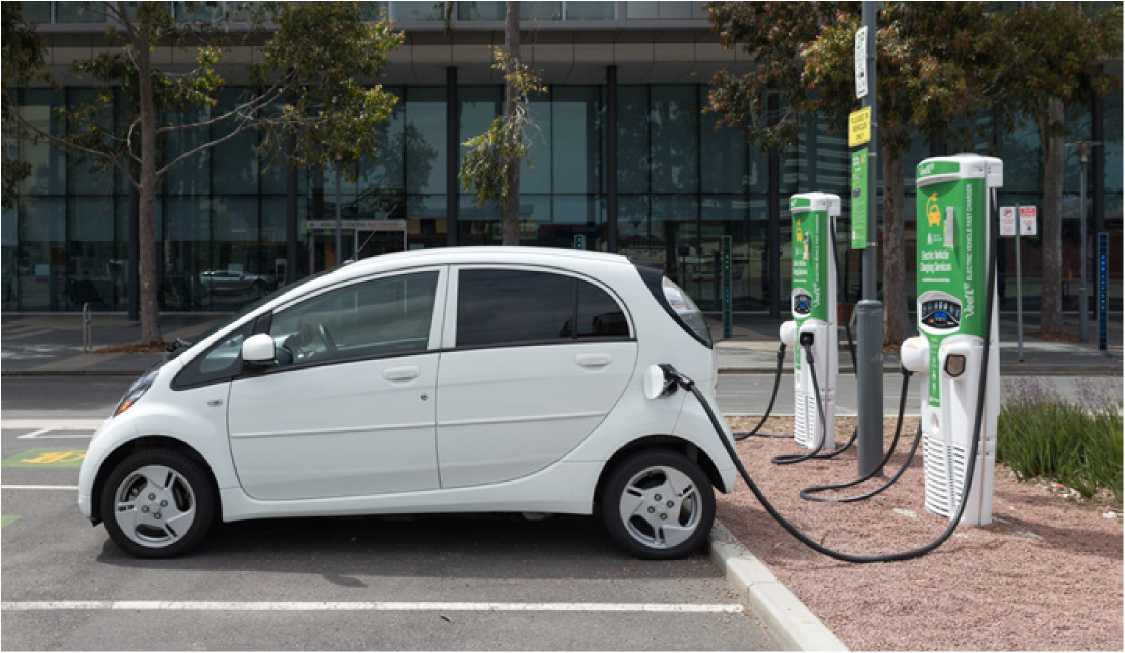
| Facilitate the use of both privately owned and shared fleets of light electric vehicles and micromobility devices by ensuring standard and/or two-way charging facilities are installed at kerbside locations, and in public parking areas by the developers of off-street destinations such as shopping centres and long-term car parks. Proposed lead: State and territory transport departments Supported by: Local governments |
| To bring down purchase costs for bus and truck operators and speed up the rollout of new fleets, develop Australian Design Rules and common cross-jurisdictional technical specifications for zero-emission heavy vehicles that assist Australian manufacturers and importers in achieving economies of scale. Proposed lead: Department of Infrastructure, Transport, Regional Development and Communications Supported by: National Transport Commission |
| Ensure that fast-charging facilities for buses (and other zero-emission heavy vehicles) funded under the Future Fuels Strategy are subject to compliance with new cross- jurisdictional technical specifications. Proposed lead: Australian Renewable Energy Agency |
| Facilitate the uptake of new transport technologies by developing nationally uniform standards for the design and operation of road and digital assets used by Level 4 and 5 connected and autonomous vehicles. For all new road and major maintenance projects, immediately adopt and implement standards that offer 'no-regrets' benefits for existing and Level 3 vehicle operations, including line marking and digital speed zone standards. Proposed lead: National Transport Commission Supported by: Austroads, state and territory transport departments |
| Ensure the data-sharing framework and associated digital infrastructure for gathering and using connected and autonomous vehicle-generated data are designed to support the separate administration of a national distance-based road user charging regime. Also ensure they align with privacy and cyber security requirements. Proposed lead: National Transport Commission Supported by: Department of Home Affairs, state and territory transport departments |


Measuring progress
| First- and last-mile access Interchanges integrate high-quality design features, including access to first- and last-mile transport services | ||
Access | Target: 100% | Timeframe: |
|
| Accessibility Public transport accessible to all | ||
Access | Target: 100% | Timeframe: |
|
| ZEV market share Percentage of Australian vehicle fleet that is zero-emission | ||
Affordability | Target: More than 50% | Timeframe: |
|