Apply national standards for connected and autonomous mobility
New transport guidance technologies offer major benefits. Connected and autonomous vehicles may have a reduced risk of collision and take up less road space because of the precision of their operation.
The way users value their time spent travelling may also change. If they do not have to control an connected and autonomous vehicle, people could be free to use their trip for other activities.
The exact timing for the arrival of these technologies is unclear. However the impacts will be increasingly felt during the term of the 2021 Plan. Adopting nationally uniform standards for designing and operating roads and associated digital infrastructure will enable the faster rollout of autonomous and connected vehicles.
It will also support the emergence of a single Australian market for importing a wide range of zero-emission passenger and freight vehicles.
Where the new standards promise safety and efficiency benefits for vehicles with partially autonomous capability, they should be implemented as soon as possible for all new road and major maintenance projects.
Governments have agreed there will be a national data-sharing framework for gathering and using data generated by connected and autonomous vehicles.
It is essential this system meets Australian Privacy Principles and is resistant to cyber security threats. It should also be flexible and scalable so it can ultimately be used to administer a national distance-based charging regime for road users.
For more information on the strategic approach to managing digital assets across all infrastructure sectors, see the Industry productivity and innovation chapter.
The Telecommunications and digital chapter addresses actions that will increase confidence in the privacy and security of users' data, including information on personal mobility.
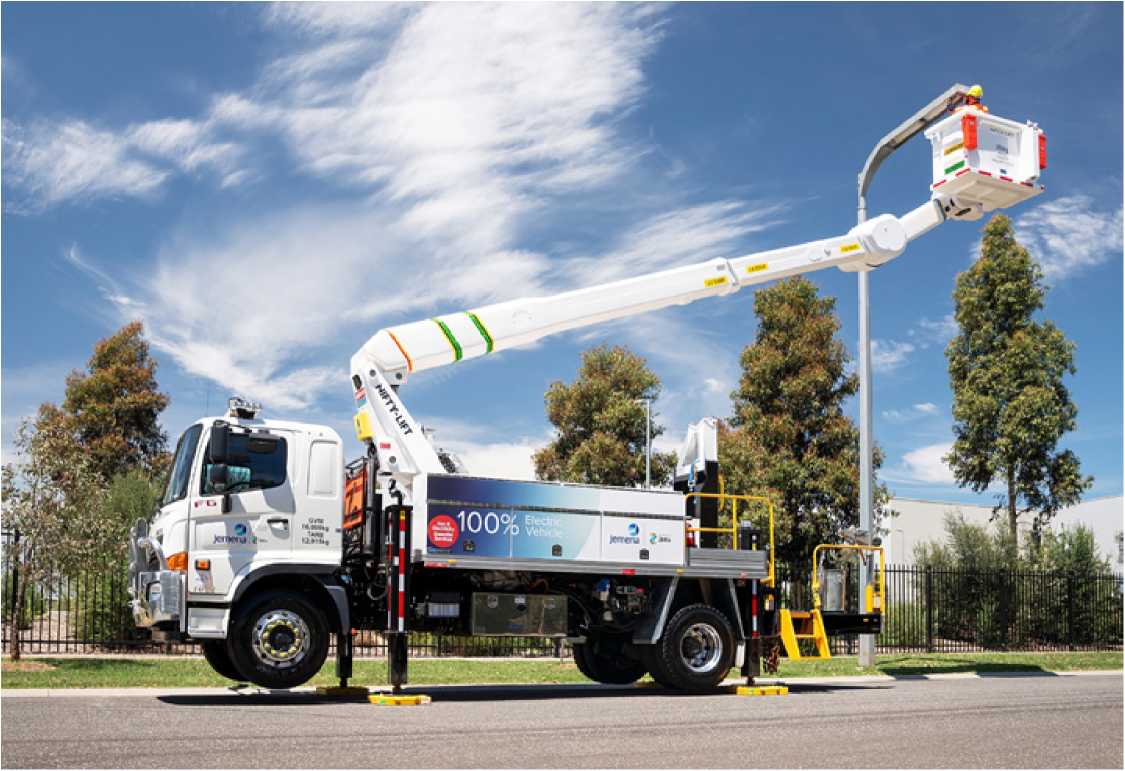
Image source: SEA Electric (2021)