7.1 Improving the resilience of Australia's telecommunications
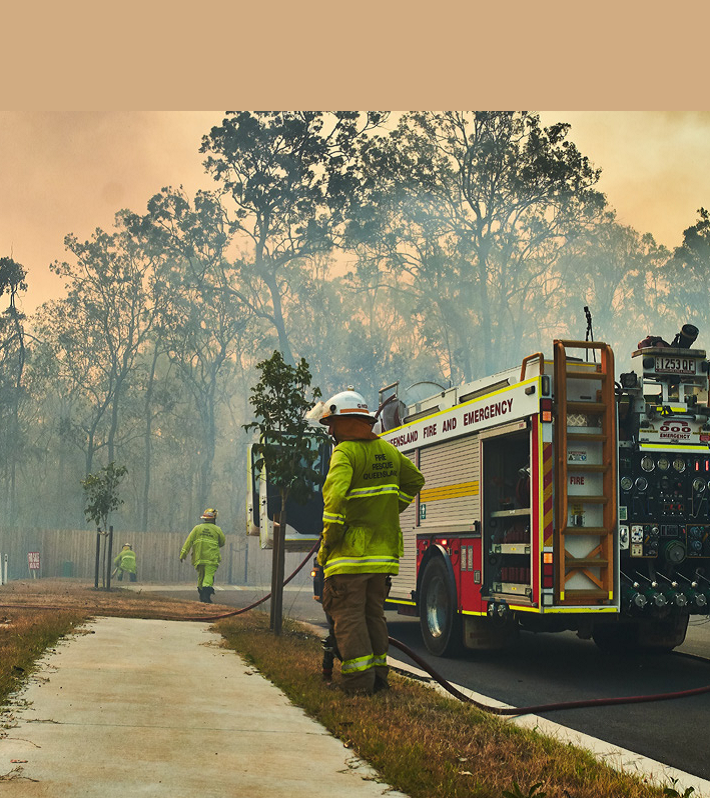
Key messages • Australia has recently encountered many catastrophic events, including a pandemic, bushfire and floods. These crises and disasters often affect telecommunications networks, placing additional demands on them and, in some cases, disrupting their operations. • With digital services so essential for Australians' everyday lives and the economy, governments and industry should work together to identify, treat and mitigate network reliability risks. • Most fixed and mobile network operators reacted quickly to the COVID-19 pandemic. They prevented service disruption by scaling up network capacity, optimising network traffic and activating emergency response plans. As a result, Australia's digital infrastructure passed a monumental test. However, we must not rest on our laurels. • The frequency, complexity and severity of natural disasters is growing. In the summer of 2019-2020, Australia experienced the worst bushfire season in recorded history. Regional, rural and remote communities were particularly affected. In a disaster, people rely on essential telecommunications to stay safe and connected but fires and floods can bring down power and transmission lines, causing mass outages. While it is important to note there is no way of making infrastructure 100% resistant to disruption, it is imperative to improve the resilience of networks that serve at-risk communities. |