| Case study: The IoT in action in Australia Telstra has built extensive coverage to support the IoT through a Cellular Low-Power Wide Area Network with approximately 3 million km2 of LTE-M (low-power wide area network radio technology) coverage and 4 million km2 of Narrowband (NB) IoT coverage.89 Both these technology standards are designed to support the IoT. IoT networks can support many millions of devices. In December 2020, almost four million IoT devices were connected to Telstra's IoT networks alone and, on average, 2,000 devices are being connected to the networks every day. Satellite systems enabling IoT services are also growing the use base. Several Australian companies offer IoT services using nanosatellites that make IoT solutions possible outside traditional coverage areas. For example, Myriota has supported IoT applications across a diverse range of use cases, including wind turbine management and agricultural monitoring. In addition, systems developed by Fleet Space Technologies underpin IoT applications such as dam and gas pipeline management. Another example of satellite-enabled IoT in action is Ceres Tags, which provide farmers with real-time information on livestock location, lost livestock, feed intake, distress indicators and health. Figure 7.8: Reducing costs and protecting the environment: Weather station in a wheat field. Precision farming equipment helps this crop farmer to save kilolitres of water
|
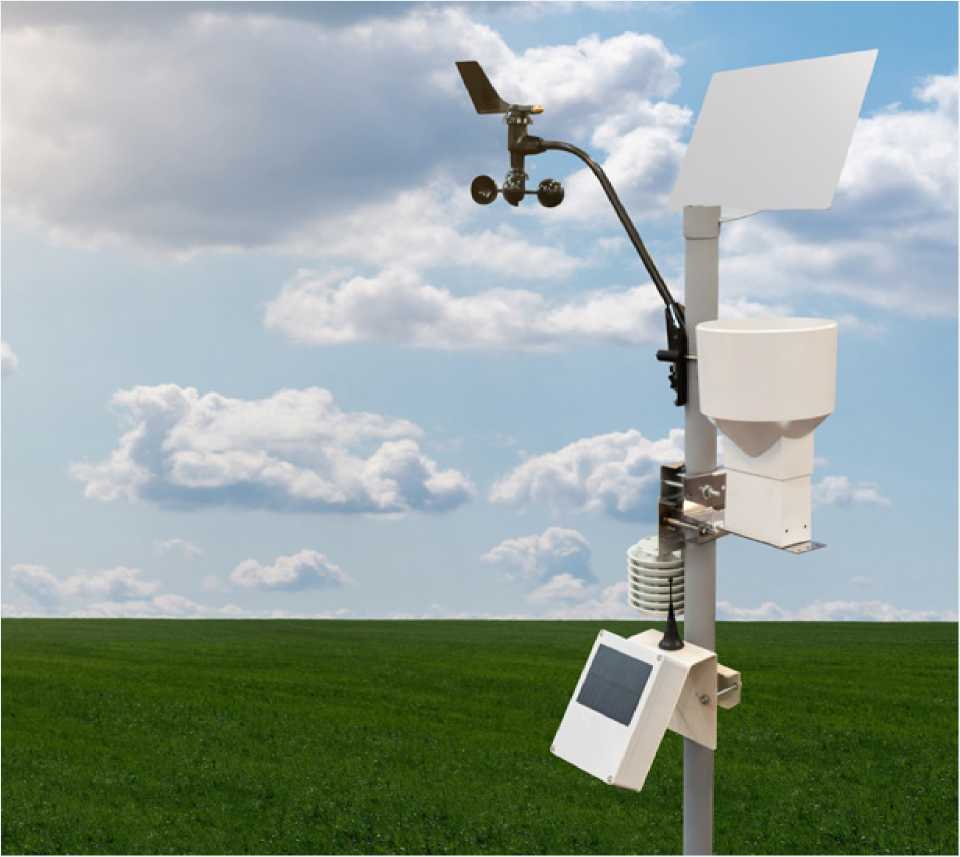
Figure 7.9: The Dairymaster MooMonitor+ is an IoT wearable for cattle that improves animal husbandry
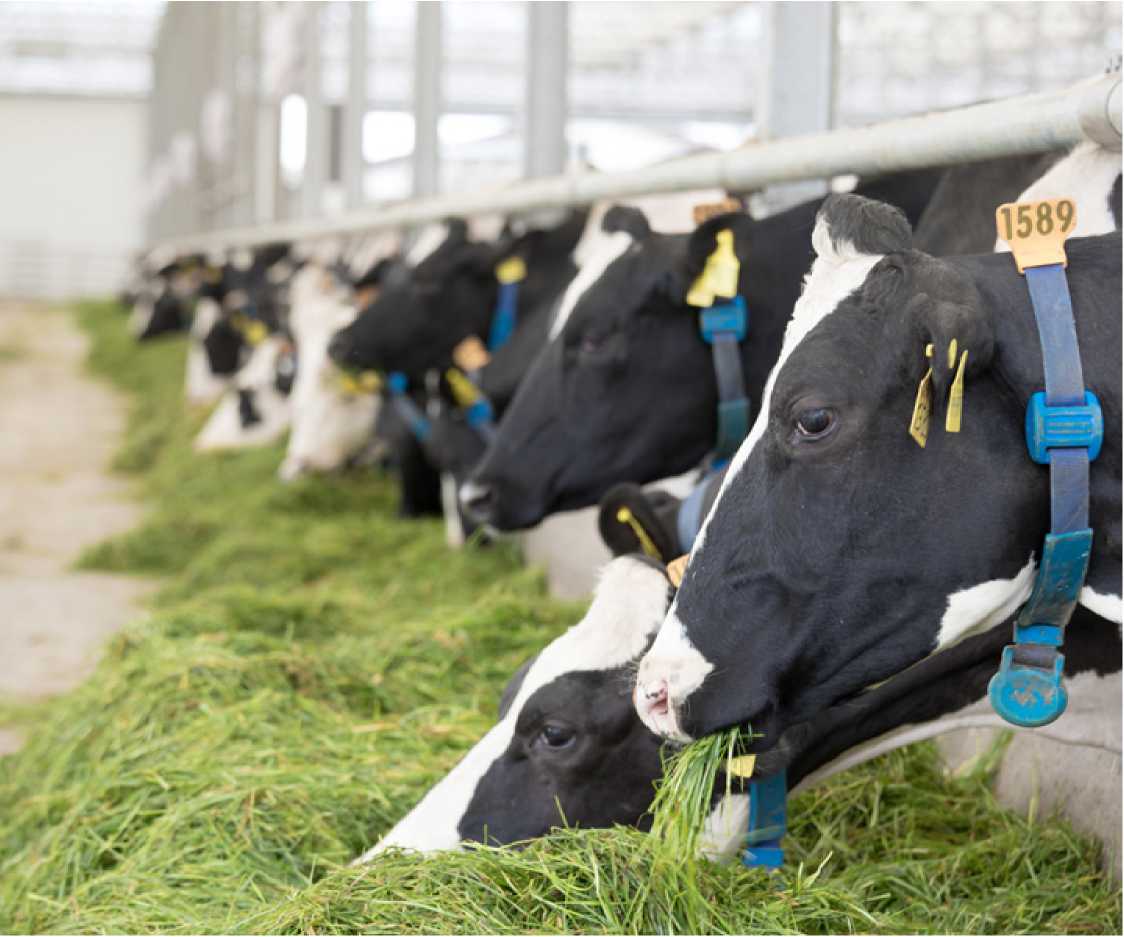
Source: Dairymaster Inc